How to Write a Book with AI: Easy Process
339 Views
Summarize Article



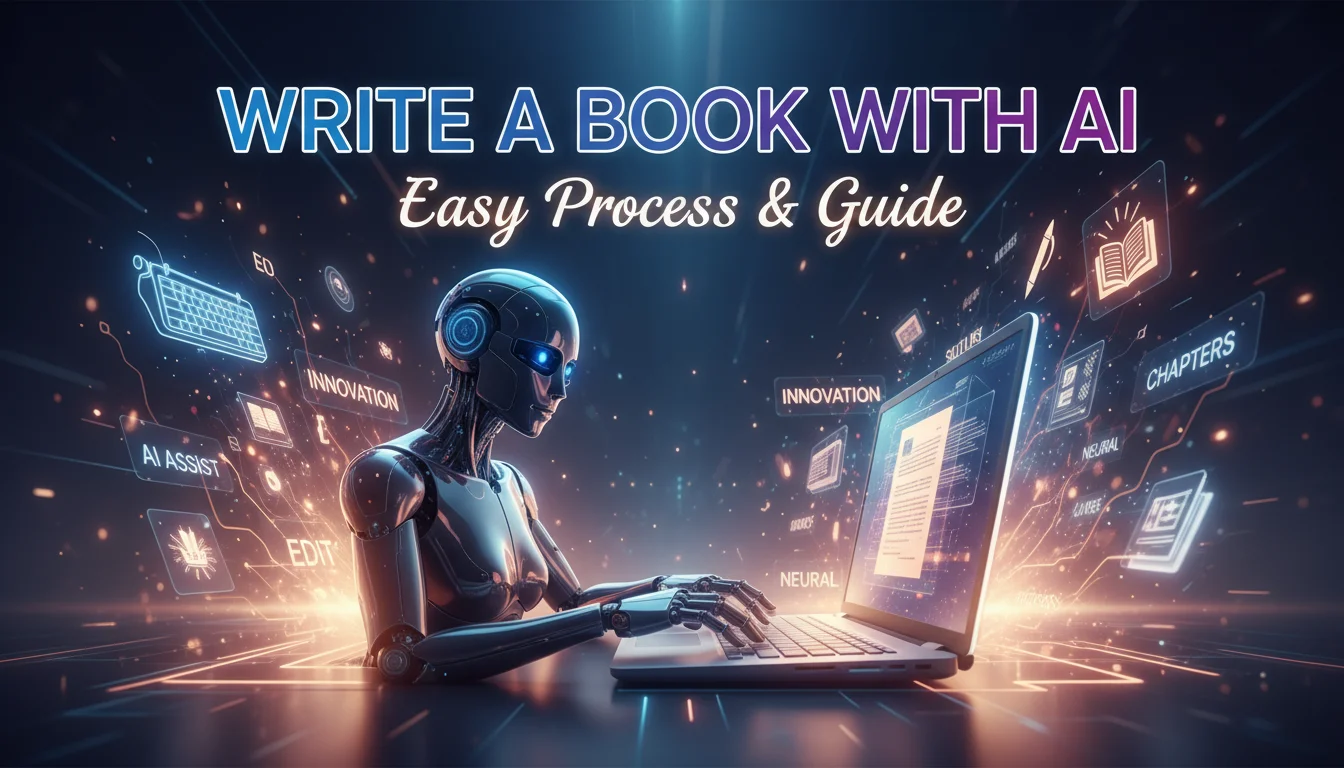
You can write a book this year without drowning in drafts. AI can help you plan, write clean chapters, and keep your voice steady. You still make the choices. The assistant just removes heavy steps so you can stay on plot and finish.
A BookBub survey of over 1200 authors found 45% are using generative AI for writing, marketing, or illustration.
Below is a simple path you can follow in weeks, not months about how to write a book with AI. If you need an expert’s assistance, WebOsmotic can set this up end to end with safe prompts, tidy files, and a steady review loop.
Think of AI as a fast co-writer and a patient editor. It helps you outline, expand scenes, tighten lines, and track facts. It drafts options you can accept or tweak. It never sends pages live on its own. You keep control at each step.
Use this four-step loop for every chapter. Keep it boring in a good way.
Save each version with clear names. For example, “Ch03_draft_v1” and “Ch03_final_v2.” This file habit saves hours later. Wondering how to write a book with AI for free? Start with a simple outline-to-draft loop in a free editor and keep final edits manual
You do not need fancy tricks. Clear inputs win.
“Act as a book coach. Build a 10-chapter outline for a guide that helps beginners start a craft coffee cart. Keep chapters in a clean list and add two subheads per chapter.”
“Using the outline for Chapter 3, write 1,200 words in simple language. Keep the tone easy and practical. Use short sections and add one story example.”
“Remove filler and cut repeats. Keep the meaning. Keep my voice card rules. Return a clean version only.”
“Scan this chapter for weak claims and unclear lines. Suggest two fixes and one cut. Do not rewrite the whole thing.”
WebOsmotic can store these prompts in your writing tool so you do not hunt for them each day. If the budget is tight, you can write a book with AI free for first drafts using trial tiers and local notebooks. For stronger prompts that stay consistent across chapters, use the patterns in our blog Prompt Engineering in AI.
Voice drift is the top fear with AI. Solve it with three habits.
If a section still feels flat, ask for three alternate phrasings of that one paragraph and pick the best. Small swaps keep the voice yours. If you’re unsure how to write a book with AI help, use your voice card and golden samples to guide each draft.
We can turn your voice card into reusable automations via AI Consultation services.
Here is a simple template that reads well.
AI can draft each block when you feed the outline and a few bullet notes. You keep the logic sharp and the claims honest.
Start with a beat sheet that lists the big turns: setup and decision, midpoint shift and final push. For each beat, write a scene card that states the goal and the conflict, stakes and the twist.
If you plan a companion site, our post on UI/UX helps lock visuals and hierarchy.
Use your assistant to tighten dialogue and add subtext. Keep a small story guide with names and rules, then ask the assistant to check chapters for breaks. You guide mood and motive, and the assistant keeps pace and detail tidy.
AI can summarize sources and draft notes, yet you still verify. Use this rhythm:
WebOsmotic sets a research sheet with columns for link, claim, status, and chapter tag so facts stay traceable.
Strong books use layered edits. Keep two passes only.
Ask AI to flag passive voice and long sentences, then make final calls yourself.
Use styles instead of manual tweaks. Headings, body, quote, and list. Simply, export to DOCX and EPUB. For images, give AI a one-line brief and alt text. Keep charts simple and readable in gray and color.
You can ship digital first, then print. Use your own site and a major store. Write a clean book page with three parts only: promise, who it helps, and what it teaches. Add a short sample chapter. Keep the buy link above the fold.
You get a partner that makes writing feel calm. We set up prompt packs and style sheets, wire private knowledge bases, and create dashboards that show progress by chapter. We keep a human in the loop and log each step for clean version control. When you are ready to publish, we help with formatting and store setup. The goal stays simple. A finished book that sounds like you and reads clean.
If you want to know how to write a book with the help of AI, pick one idea and run the two-week starter. Pick one idea and run the two-week starter. If you want a team that blends AI power with simple habits and honest guardrails, bring WebOsmotic your topic and your target reader. We will build the plan, set the tools, and help you cross the finish line with a book you feel proud to ship.