Best Web Designing Tips for a Future Proof Your Brand
214 Views
Summarize Article



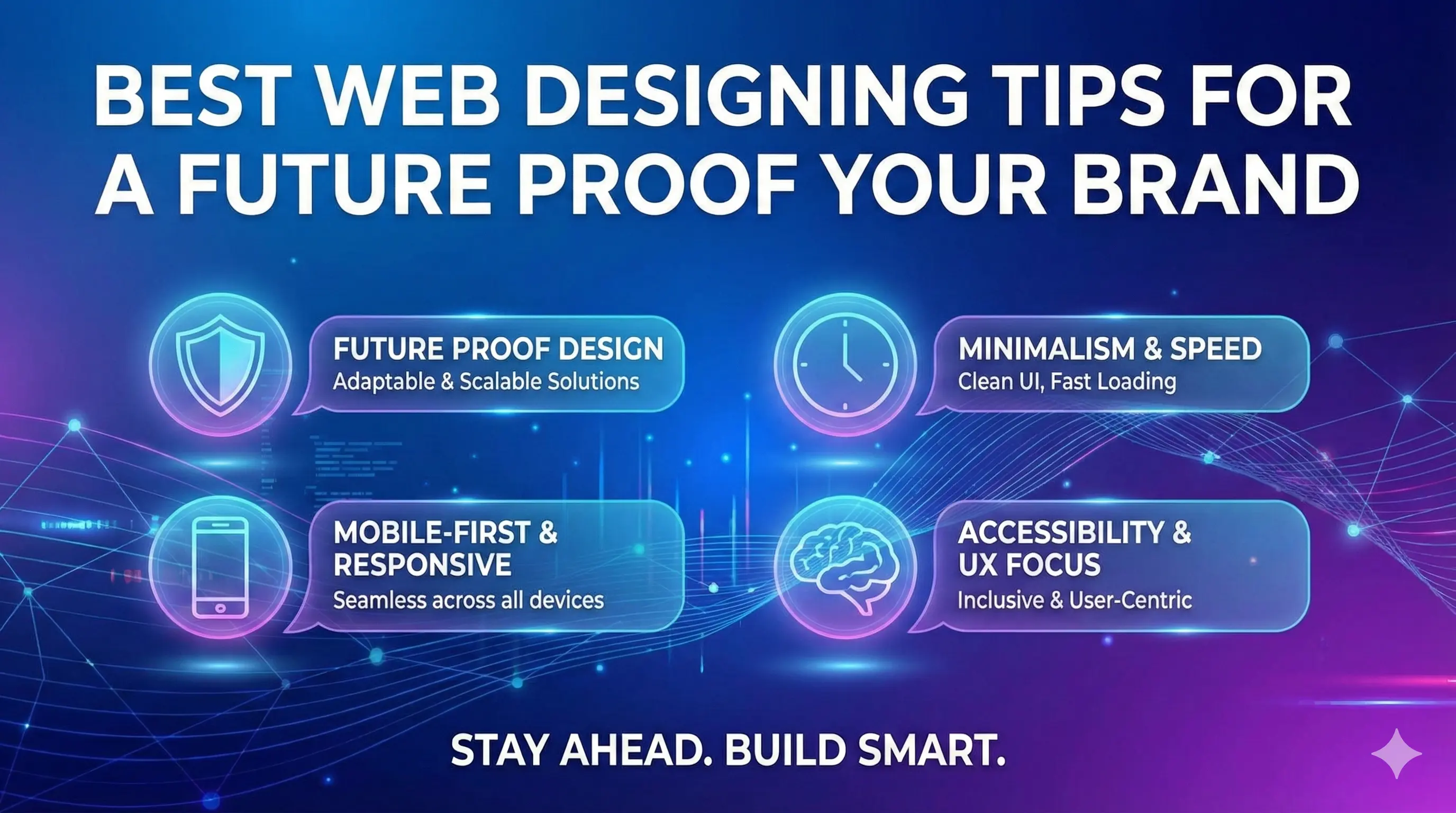
Most brands touch their website every few months. A new logo comes in. A fresh campaign needs space on the homepage. A product shift calls for new pages and flows. Each change piles on top of older choices, and the site slowly starts to feel heavy.
In a 2024 survey, about one third of US shoppers said they stay updated on their favourite brands by proactively visiting the brand’s own website, and around 21 percent even discover new products through brand sites or apps
To future proof your brand on the web is about breaking that pattern. You design the site so it can absorb change without drama and still tell the same clear story.
Future proofing your brand is not about chasing every new style. It is about building a site that can handle new content, new tools, and new user habits without a full rebuild each year. Let us walk through simple, practical tips that founders and marketing teams can apply without a giant budget.
Before any layout change, get clear on the idea.
Future proofing your brand through web design means:
The site does not need to look like a sci-fi demo. It needs to feel steady, quick, and easy to trust. That is the real base of a future ready brand strategy online.
Spend an hour with key people and write three short lines:
Every later design decision should protect those three lines. A simple reminder on why a website is important can also help non-tech stakeholders see that this story work is not only a design task.
Many teams jump straight into hero banners. A better path is to treat your brand like a small system.
Set:
Keep this system simple so new pages can reuse it. When your colour and type rules stay stable, you can refresh sections later without losing recognition. This is the quiet core of a future proof brand strategy.
When you begin to turn that system into real pages, this web design workflow article maps a calm order for content, layout and launch.
WebOsmotic often creates a short Figma library or design token set for clients at this stage. That small step stops “random landing page” problems later.
Tech choices shape how easy it is to keep improving the site. A modern stack does not need to be fancy. It just needs to be:
For many brands this means using a CMS that allows structured content, plus a front end that supports responsive layouts and basic PWA features. When editors can publish without developer help and developers can add new blocks without hacking old ones, the site can move with the business.
Think of this as insurance. A solid PWA framework or modern front end saves months when you need to add personalisation, new product lines, or a customer portal later.
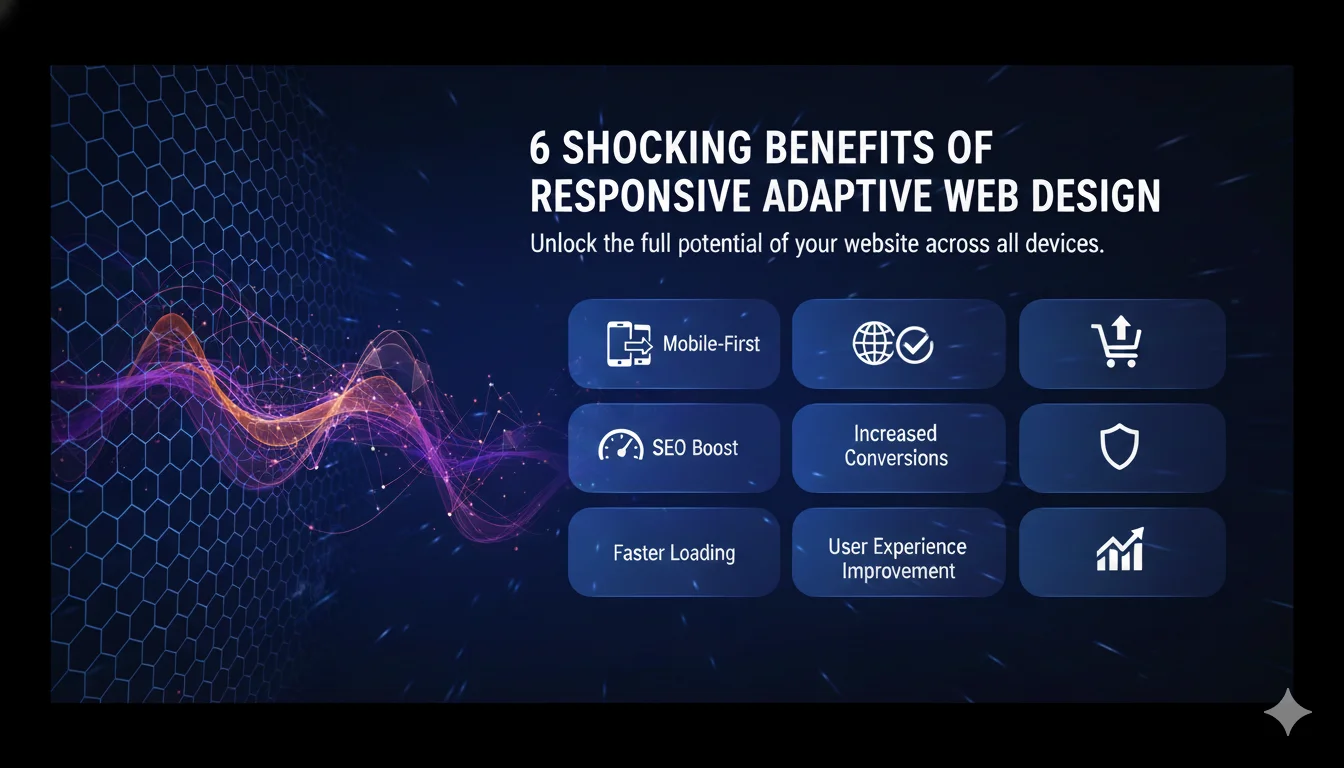
A future ready site must work for people on different devices and with different needs. That requires two linked habits.
Design with mobile in mind, not as an afterthought. Check:
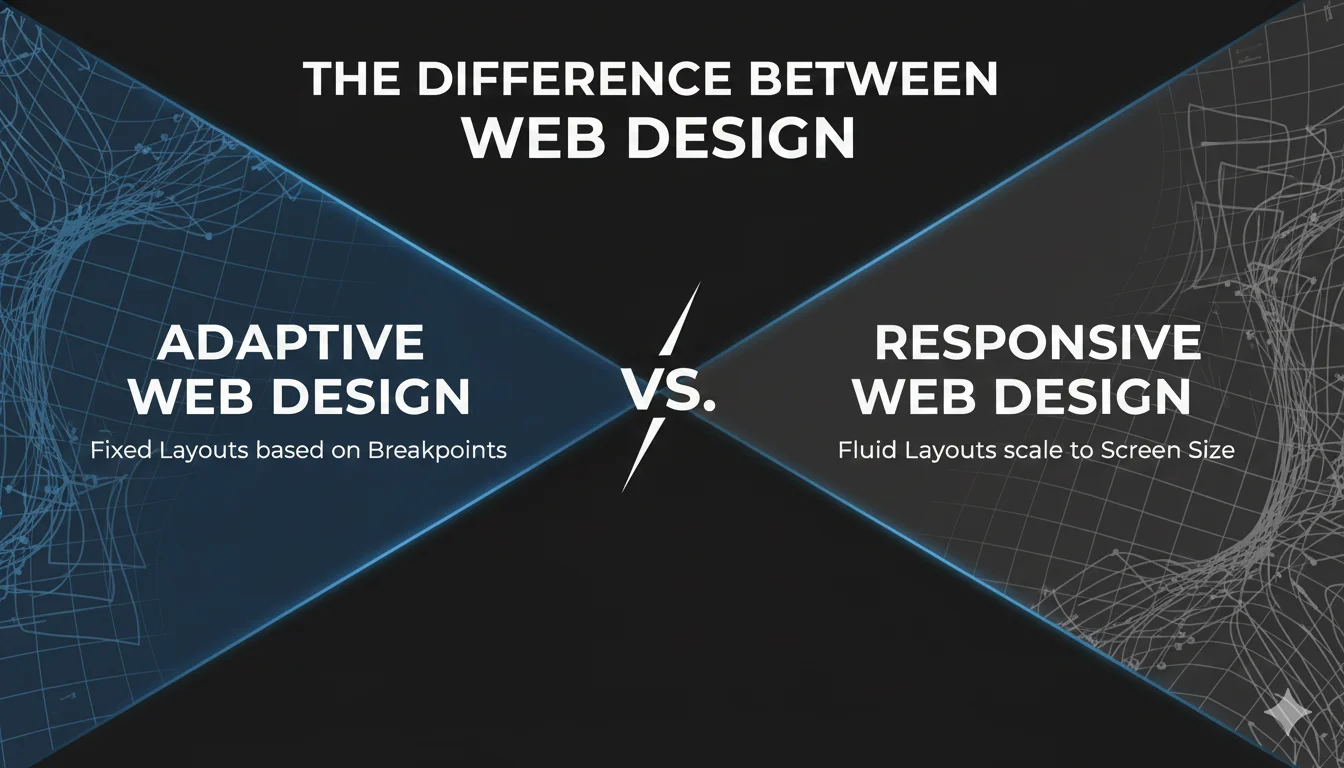
Focus on real breakpoints, not only three neat sizes. Look at analytics and test on the devices your visitors actually use.
Accessibility rules help users with low vision, screen readers, and keyboard navigation. They also help tired users in bright light or loud places.
Set a small internal standard:
You do not need perfection on day one. You do need a clear path forward. Each release can close one more gap.
Copy ages faster than layout. New offers appear, and new services launch. Old pages drift out of sync.
To avoid this, structure content in small, reusable pieces. For example:
When you plan content that way, you can swap or rewrite parts without rewriting whole pages. It also helps search engines understand the site better.
A clear tone of voice guide supports this work. Decide how formal you want to sound, which words you avoid, and how you explain complex ideas in plain language. This shared guide keeps every new writer aligned even when teams grow.
Future proof design is not one big launch. It is a series of small, informed changes. That means you need data you can trust.
Track:
Baymard’s UX research shows that 58.6 percent of American shoppers have abandoned a site in the last three months, often before checkout even starts, so fixing friction in layout and forms is a direct way to protect future revenue.
Heatmaps and session tools show where users hesitate or scroll past key content. Pair this with feedback forms or quick surveys to get context.
Once a quarter, schedule a short review. Pick one or two issues and run experiments. Try a cleaner layout for a form and test a clearer headline. This habit of slow, steady improvement matters more than any flashy redesign.
New waves keep arriving. AI chat, headless commerce, voice search. You cannot predict which ones will stick. You can choose a web design that plugs into them without a full rebuild.
Some simple moves:
If you know how to future proof your brand, you think in systems, not in one time campaigns. Your website becomes a hub that can send and receive data through APIs rather than a closed island.
A site ages fastest when only one person understands it. To avoid that, share simple docs and repeat key decisions during handovers.
WebOsmotic often helps teams by:
That way, internal teams and external partners can ship new work without breaking old patterns. The result is a site that stays consistent even when many hands touch it.
WebOsmotic works with companies that want steady growth instead of loud one time launches. Projects usually start with a discovery sprint. The team maps user journeys, device mix, and brand goals.
Out of that, WebOsmotic designs a future proof brand strategy for the site that covers:
The aim is simple. Help you ship a site that feels modern today and still feels solid two years later, even after new features, new AI tools, or new campaigns land on top.
To future proof your brand on the web, you do not need wild visuals or every new trend. You need a clear story, a flexible system, and small steady upgrades backed by data.
If you treat your website as a living product instead of a one time build, each release can carry you closer to a future ready presence. When you want help, WebOsmotic can step in as a long term partner, keeping design, tech, and content pointed in the same direction.