Using AI for Emissions Tracking in Logistics and Supply Chains
154 Views
Summarize Article



Summarize Article
Logistics teams feel constant pressure now. Clients ask for carbon numbers and regulators expect proof. On top of that, internal teams want real data instead of rough estimates. This makes it important for us to know about AI for emissions tracking in logistics.
Did you know Scope 3 value-chain emissions make up about 75% of a typical company’s total footprint yet remain the hardest to measure and report
Old methods depend on spreadsheets, manual inputs, and broad averages. That makes reports slow, hard to audit, and easy to challenge.
AI in logistics and supply chain leaders a cleaner way to track, verify, and act on emissions data across fleets, routes, partners, and hubs. Instead of treating sustainability as a side report, AI links it directly to operations, cost, and planning.
Most logistics emissions reports still use generic factors and yearly summaries. For example, global freight transport and logistics activities account for around 8–11% of global greenhouse gas emissions when warehouses and ports are included.
A lane gets one factor, a vehicle type gets one factor, and teams apply that across many trips. Any change in load, route, idle time, or backhaul rarely shows up.
This creates four core issues:
AI for emissions tracking in logistics targets each of these gaps with live, structured data instead of guesswork.
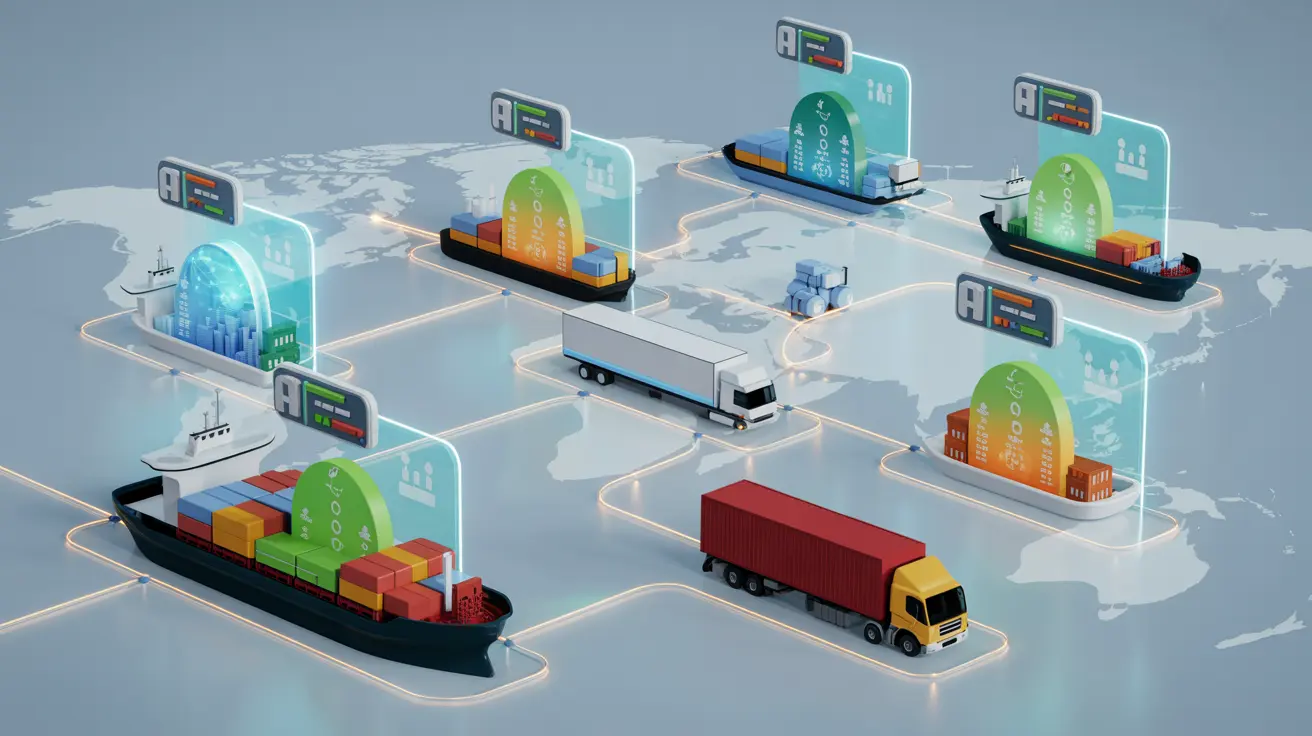
AI tools sit on top of telematics, TMS, WMS, ERP, and carrier feeds. They read trip data, fuel use, load details, lead times, and location trails. Then they calculate impact in a way that fits each move, not just an average factor.
Key ways this works in practice:
Models use route length, speed bands, idle pockets, gradients, and payload to estimate emissions per shipment instead of per lane. This helps teams compare options and pick cleaner plans.
AI reads PODs, invoices, GPS logs, and carrier sheets, then matches each record without manual chasing. That removes duplicate entries and gaps that usually break reports.
Good systems align outputs with GHG Protocol, ISO guidance, and local rules. That way sustainability teams can export reports ready for auditors.
Instead of a single “total emissions” line, dashboards highlight spikes by lane, customer, vehicle class, or partner so managers know exactly where to act.
This type of stack is often called AI emissions tracking. It shifts the daily view away from generic tables to live, traceable data. Also, we suggest you read about sustainable web design if you’re thinking of starting a new project in eCommerce.
Emissions tracking alone is not the goal. Teams care about cuts that do not break service promises. AI helps test and trigger those moves with less risk.
Some practical moves:
This is logistics decarbonization layered directly into planning. Decisions stay grounded in current emissions patterns instead of one annual report.
Once data accuracy improves, supply chain carbon accounting becomes easier and more credible. AI helps unify numbers across logistics partners, 3PLs, and contract fleets in one structure.
A solid setup can:
With this in place, sustainability reports, RFP replies, and board decks show a clear trail. That reduces friction in audits and builds trust with enterprise clients who now ask hard questions before signing long contracts.
Freight emissions change with fuel quality, driver behavior, network design, and demand swings. Static reports hide those shifts. AI tools keep a running view of freight carbon footprint so leaders can react early.
Examples:
Small improvements at this level add up. Better consolidation, tighter routing, and smarter carrier selection can reduce emissions and cost, not just one of them.
Most teams do not need a lab project. They need a clear roadmap: use data you already hold, plug in structured AI models, and launch dashboards that planners and leadership can read easily.
With a growing presence in the USA, WebOsmotic supports logistics leaders in the market. Also, we support US-based logistics and compliance teams with on-ground context and quick responses during US business hours.
A partner like WebOsmotic can:
The aim stays simple: precise tracking, practical reduction levers, and reports that stand up to client and regulator checks without chaos behind the scenes.