AI Retail Optimization for Small and Mid Retailers: Here’s How to Use AI to Scale Your Retail Business
49 Views
Summarize Article



Summarize Article
If you run a small or mid retail business, you already know the real problem is not “getting more ideas.” The problem is running the same store tasks and still trying to grow.
This is where AI retail optimization becomes useful, which reduces both manual and guesswork. The goal is simple. Use data you already have and let the system suggest the next best action so you can spend more time on decisions that actually grow revenue.
In this guide, you will see what AI can help with, and a clean rollout plan that fits real retail teams.
AI retail optimization means using software that learns patterns in your operations, then helps you make better calls faster. Instead of relying only on gut feel or static reports, you get suggestions that update as conditions change.
A good way to picture it is this:
This is also why people search for retail AI optimization. They want fewer surprises and smoother daily work without hiring a huge analyst team.
Big retailers can absorb inefficiency. They have extra headcount, deep vendor leverage, and teams dedicated to planning. Small and mid retailers often run lean, so a single inventory mistake hurts more. Retail industry research shows that inventory distortion and stock imbalances remain among the biggest profit leaks in retail operations.
Common pain points look like this:
This is usually the fastest win. AI looks at sales history, seasonality, promotions, local patterns, etc. Then, it predicts demand. Also, it can suggest reorder points that fit your lead times.
If you sell apparel, it can catch size and color trends sooner. If you sell grocery or health products, it can learn reorder rhythm so you avoid empty shelves.
Many retailers do markdowns too late. AI can suggest earlier markdown moves for slow sellers, so you recover cash sooner. It can also help avoid discounting items that would sell at full price with a small placement change.
AI can reduce support tickets by answering order questions and policy queries easily. If you run ecommerce, this can also guide customers to the right product faster, which lifts conversion.
AI can forecast busy periods and recommend staffing adjustments. It can also flag problem areas like a category that is underperforming because items are not in the right place.
This is the practical side of AI and automation in optimizing retail operations. It is helping the team move faster with fewer manual steps.
Also, you can read about retail vs. wholesale E-Commerce to know the difference and type of customer served.
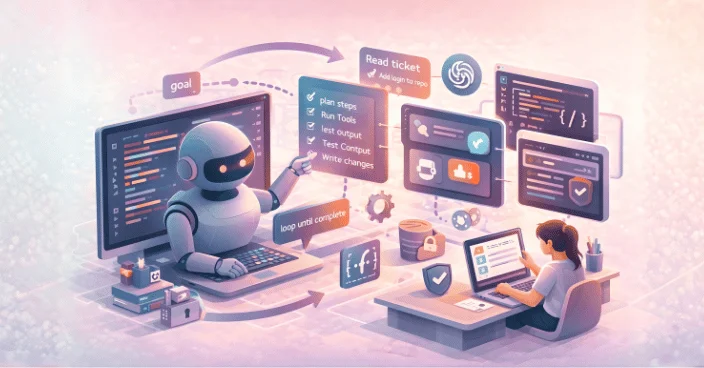
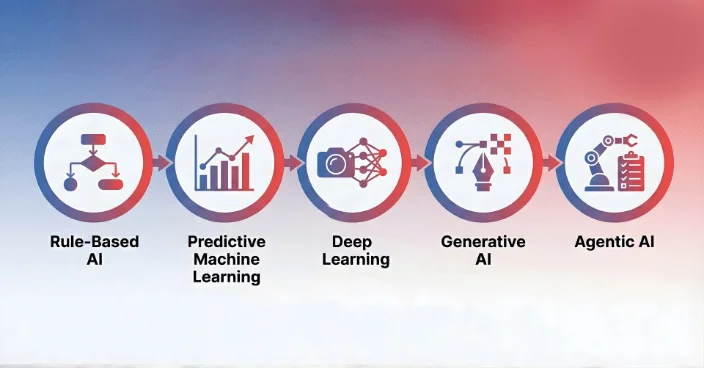
You will see more tools pitching agentic AI retail inventory optimization. In short, this means the system can do more than recommending. It can plan a sequence of actions.
For inventory, an agentic setup can look like this:
A clean rollout has three phases. Keep it boring on purpose. Retail needs stability.
Good “first problems” are:
Let the tool generate:
After the team trusts the signals, automate the boring parts:
This is where AI and automation in optimizing retail operations saves a lot of time. The team stops staying in spreadsheets and starts acting on a short list of “do this next.”
If you want to implement AI for your retail business, we also suggest you check our detailed guide about AI shopping assistants and learn how it is transforming the shopping experience.
If you want the quickest win, start with forecasting and replenishment. That is the most reliable entry point for AI retail optimization.
Use this quick table to decide what to implement first.
| Use Case | Speed to Value | Data Needed | Risk Level | Best Fit For |
| Demand forecasting | High | Medium | Low | Multi-SKU retailers |
| Replenishment suggestions | High | Medium | Low | Stores with stockouts |
| Markdown timing | Medium | Medium | Medium | Seasonal products |
| Customer service chatbot | Medium | Low | Low | Ecommerce-heavy brands |
| Store staffing forecast | Medium | Medium | Medium | High footfall stores |
| Agentic inventory actions | Medium | Medium-High | Medium | Multi-location chains |
Retail shifts constantly. The system needs review rhythms, like weekly checks on forecast error and inventory aging.
You are not looking for perfection. You are looking for better decisions than yesterday. Even a small reduction in stockouts can justify the cost.
If you run ten pilots at once, the team will ignore all alerts. Start small, prove value, then expand.
If staff need five clicks to act, they will not act. Make it simple. Alerts should lead directly to a decision screen.
If you want a practical rollout plan without building a huge internal team, WebOsmotic can help you map the right use cases and set up a simple measurement plan to drive success.
Also, you can visit generative AI for ecommerce guide to know how it is helping grow the customer base in today’s digital world.
AI works best in retail when it reduces repeated decisions and gives your team a clearer next step. Start with inventory and replenishment. After that, add automation only after the workflow is stable. That path keeps risk low and makes the wins visible fast.
If you want a clear, non-confusing approach to retail AI optimization, WebOsmotic is a solid partner for turning these ideas into a real operating system your store team will actually use.
It is using AI software to study sales and inventory patterns, then suggest better actions like reorders, markdown timing, and operational fixes so you waste less time on guesswork.
No. Small and mid retailers benefit a lot because small mistakes hurt more. Even basic forecasting and reorder suggestions can improve cash flow and reduce stockouts.
It means the system can plan and prepare actions, like drafting purchase orders or suggesting transfers, based on goals like reducing stockouts. Most teams still keep human approval in the loop.
Many retailers see early signals in 2 to 6 weeks if the first use case is inventory forecasting or replenishment and the data basics are clean.