Conversion-Focused Web Design Tips That Helped Businesses Get More Leads
38 Views
Summarize Article



Summarize Article
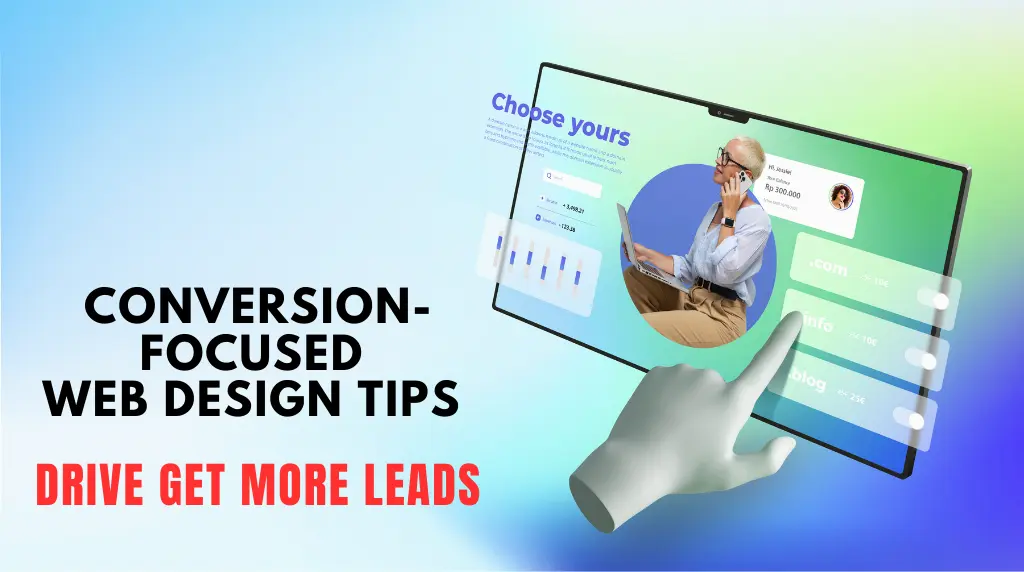
A website can look modern and still fail to bring leads. That happens all the time. The layout feels clean. The colors look good. The animations work. But visitors land, scroll a little, and leave without calling, booking, or filling the form.
That is where conversion-focused web design changes the game. It is not just about making a website look better. It is about making each section easier to understand and easier to act on. Good design should remove doubt, not add more decoration.
If a business gets traffic but not enough enquiries, the problem is often not traffic alone. It is usually weak messaging, poor CTA placement, too much clutter, or forms that ask for too much too early. Once those things improve, leads often improve too.
Below are the design tips that usually make the biggest difference.
The top section of a page does heavy work. It has to explain what the business does and why the visitor should care. A vague headline like “We Build Growth Solutions” sounds polished, but it does not help a real buyer.
A stronger headline is direct. It says what you do and who you help. For example:
Bad headline:
We Create Digital Success
Better headline:
Web Design for B2B SaaS Brands That Want More Demo Leads
The second version is easier to trust because it sounds specific. In conversion focused web design, clarity beats cleverness almost every time.
Some websites ask visitors to do too many things at once. One button says “Contact Us.” Another says “Learn More.” Another says “Get Started.” Then there is a popup asking people to join a newsletter.
That creates friction.
Each important page should have one main action. If the page is meant to get demo calls, make that the focus. If it is built for quote requests, support that single goal clearly all the way down the page.
Visitors move faster when the path feels obvious.
Buttons matter more than many teams think. A weak button creates hesitation. A strong one feels like the natural next step.
Buttons like:
do not say much.
Buttons like:
feel more useful because they tell the visitor what happens next.
This is a small detail, but it matters a lot in a conversion-focused web design company workflow because small wording changes often improve clicks without changing the full design.
Long forms kill leads. People do not want to answer eight questions before they know if the business is even a good fit.
A strong lead form asks only what is needed for the first step. In many cases, that means:
That is enough to begin the conversation.
You can always gather more details later through email or on a call. The goal of the form is not to collect a life story. The goal is to start the lead.
Proof should not live only on a separate testimonials page. It should appear close to the CTA, where trust matters most.
This can include:
For example, if a page asks people to book a call, put a strong trust signal right above or below that button. That helps because the visitor gets reassurance at the moment of decision.
A lot of conversion-focused web design agencies improve lead flow simply by moving proof closer to forms and CTAs. Also, we suggest you stay with the latest web design trends.
Visitors do not read websites line by line at first. They scan. They look for signs that the page understands their problem and has a real solution.
That means your page should use:
Dense text feels tiring. It makes people delay decisions. A clear page feels easier to move through, which improves lead quality and conversion rate.
A homepage should not carry the full sales process alone. If a business offers multiple services, each major offer should usually have its own page.
That page should answer:
This is where a good conversion focused web design service creates real value. It turns generic service pages into focused landing pages built around one clear offer.
Many websites still get built with desktop in mind first, even though most traffic now comes through phones. A page that looks fine on a laptop can feel annoying on mobile.
Check simple things:
Mobile friction is a silent lead killer. People rarely complain. They just leave.
A lot of business websites sound like they are trying too hard. Phrases like “innovative digital transformation solutions” often mean very little to a buyer.
Real buyers respond better to plain language. They want to know:
Simple language converts better because it lowers mental effort. Visitors do not want to decode your message. They want to understand it fast.
A slow website hurts conversions even if the content is strong. If the page takes too long to load, the lead may never even see your message.
Basic fixes help a lot:
Speed is not just a technical issue. It is a conversion issue.
Navigation should guide, not distract. Too many menu items can pull visitors away from the page goal.
If a landing page is meant to convert, remove extra links where possible. If it is a standard service page, keep the menu clean and easy to follow.
A confused visitor is far less likely to become a lead. Also, we recommend you read about the new sustainable web design that’s becoming popular in the market.
If a website gets traffic but not enough leads, the answer is often not “more traffic.” It is usually better clarity, less friction, and stronger page structure. That is what conversion-focused web design really does. It helps businesses move visitors toward action with less confusion and more trust.
For brands that want a website that looks sharp and performs like a sales tool, WebOsmotic can help shape pages that bring more qualified leads, not just more empty visits.
WebOsmotic’s expert web design services help businesses turn websites into lead-generation systems, not just brand brochures. The focus stays on clear offers, stronger messaging, better CTA flow, and cleaner landing pages that are built to convert.
It is web design built to increase actions like calls, form fills, and demo requests by making pages clearer and easier to act on.
Start by fixing the top section, simplifying the form, and rewriting the CTA. Those three changes often improve lead flow quickly.
No. Many websites improve through better messaging, cleaner structure, and stronger CTA placement without a full rebuild.
It usually includes page strategy, UX improvement, CTA planning, form optimization, and tracking setup to improve lead generation.
Look for agencies that talk about leads, user behavior, and page testing, not just visuals. The right one should care about outcomes first.