Patient Engagement Technology: How Hospitals Are Making Care More Human
4 Views
Summarize Article



Summarize Article
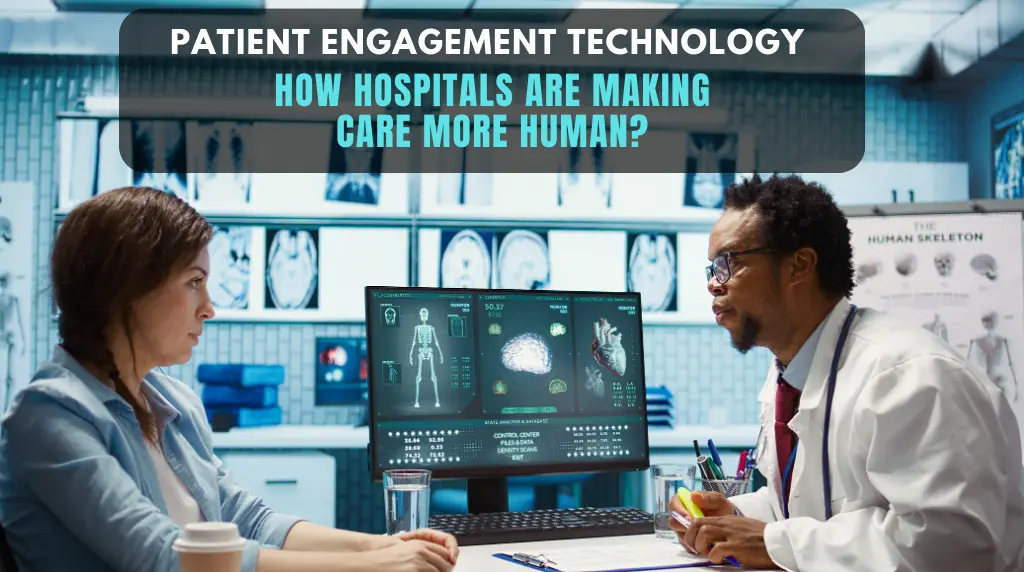
New technology is facilitating changes in healthcare. Hospitals are smarter today in terms of being more connected with the patients. The modern addition to the healthcare industry is now patient engagement technology.
It has been incorporated into an essential component of improved care. Why?
It can keep the patients more informed and active in their health. Also, it helps healthcare providers to enhance communication and make care more efficient. With the expansion of the healthcare industry, these instruments are becoming increasingly relevant in ensuring a better patient outcome and care delivery.
This is a detailed guide to the emerging trends and transformative possibilities of patient engagement technologies.
Let’s begin.
Patient engagement technology contains the digital technologies that are employed by hospitals and care providers to maintain patient connectivity and communication throughout the care process.
That can include:
On the surface, these may look like simple software features. But together, they change how patients experience care. Instead of depending only on memory and paper instructions, patients get structured support after visits too.
A good system does not just send more notifications. It gives the right information at the right time, in a way the patient can actually use.
Hospitals are under pressure on all sides. Staff are busy, patients expect faster communication. Also, care journeys are becoming more complex. When communication breaks down, everything gets harder.
Here are a few reasons patient engagement technologies have become more important:
A treatment plan only works if the patient understands it and follows it. Engagement tools help with reminders and easy access to support.
Simple reminders through apps or email can reduce no-shows and keep schedules more stable.
Patients still need answers, but not every answer needs a call. Messaging and portal systems can handle many basic needs more efficiently.
For a clear view of what hospitals commonly implement as a stack, AI services for healthcare maps the service areas and core components.
When patients can check instructions and see test results. Also, they can follow-up questions. Thus, feel less anxious and more informed.
This is one of the most practical ways hospitals are trying to make care more human. The human side is not lost. It is supported.
A lot of healthcare tools are designed for administration, not people. That is why some systems feel cold or frustrating. Real technology and patient engagement only work well when the patient experience is considered from the start.
For example, a portal should help a patient do something useful without stress. For example:
The same logic applies to reminders. A reminder is only useful if it is timely and relevant. If a system sends too many messages or uses unclear language, it adds friction instead of reducing it. The best patient engagement tools do one important thing well: they simplify the next step.
Different hospitals use different stacks, but most engagement programs include a mix of these tools.
These are often the center of digital engagement. They give patients access to records, appointments, messages, care instructions. etc.
These tools allow messaging between patients & providers. Also, it does not expose private health data through normal email or text.
These can be sent through apps or email. They help patients remember visits, screenings, medication, follow-up care and more.
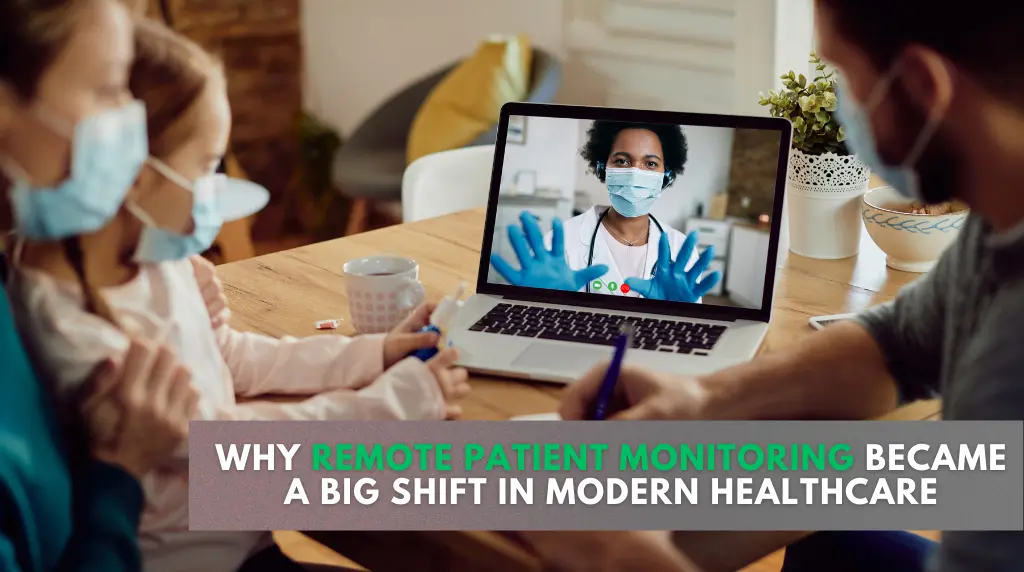
Virtual consultation tools became much more common, and they remain important for accessibility and convenience. For real use cases and rollout notes, conversational AI in healthcare shows how chat and triage fit into care journeys.
These are especially useful for chronic care. Patients can share blood pressure, glucose, oxygen, recovery data, etc. without coming in for every check. For practical examples tied to vitals and monitoring workflows, AI in healthcare examples is a useful next read.
These tools send relevant articles or instructions tied to a diagnosis & treatment plan.
This is where interactive patient engagement technology becomes valuable. The patient is not only reading static information. They are interacting with it and using it to make care decisions day by day.
A tool just delivers information. However, an interactive one creates a two-way experience.
For example:
Thus, interactive patient engagement technology feels more human. It responds to what the patient does, not just what the hospital sends.
That kind of design matters because real life is messy. Patients forget things. They get nervous. They misread instructions. Interactive systems reduce the chance that confusion turns into a worse health outcome.
Here is a simple way to think about how basic and interactive engagement tools differ:
| Type of Tool | Basic Version | More Interactive Version |
| Appointment reminder | Sends date and time | Allows confirm, cancel, or reschedule |
| Discharge instructions | Static PDF or printout | Step-by-step checklist with follow-up prompts |
| Medication support | One reminder alert | Alerts plus adherence tracking and FAQs |
| Patient education | General article link | Personalized content tied to condition or recovery stage |
| Communication | One-way updates | Secure two-way messaging with care team |
Hospitals are using patient engagement technology because care does not end when the visit ends. The strongest tools help patients remember and act on what comes next. When digital systems are clear and easy to use, they make healthcare feel more connected and more human.
It refers to digital tools that help patients stay informed, connected, and involved in their care through reminders, portals, messaging, and follow-up support.
It helps hospitals improve communication, reduce missed appointments, support follow-up care, and make patients feel more informed during treatment.
Common examples include patient portals, appointment reminders, secure messaging systems, telehealth tools, remote monitoring platforms, and digital education content.
It is technology that allows two-way action, such as confirming appointments, asking follow-up questions, or tracking treatment steps in real time.
It improves follow-through, reduces confusion, supports better communication, and helps patients take a more active role in their care decisions.