Smart Hospital Technology Trends That Are Reshaping Healthcare in 2026
54 Views
Summarize Article



Summarize Article
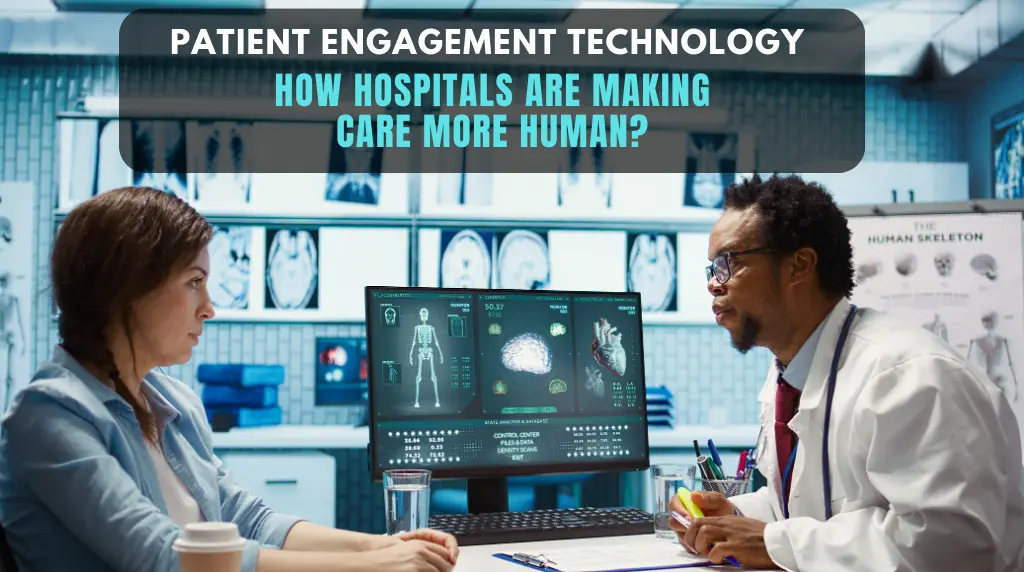
There is pressure on hospitals to be able to do two things simultaneously, which are to improve care and to reduce friction. This is the reason why smart hospital technology is raising much concern in 2026. The biggest hospitals are purchasing new devices and adapting to new techniques.
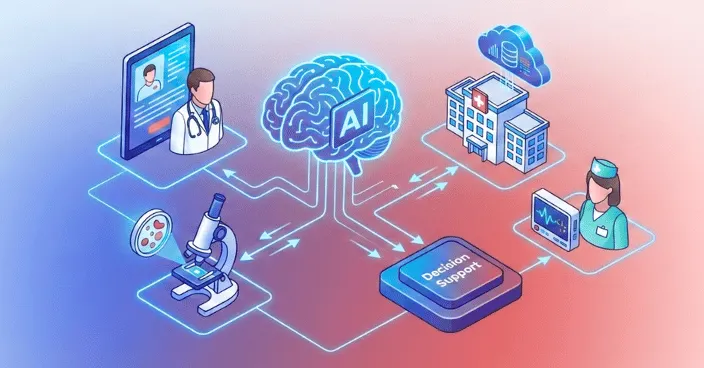
One of the major contributors to this change is AI decision making in healthcare. That is why support tools are influencing clinical and operations decisions. They are linking AI, virtual care, patient navigation, remote monitoring, and operational data to a single streamlined system.
The useful question is not “what looks futuristic?” The useful question is “what actually makes care safer, faster, and easier to navigate?” In 2026, the answer is often a mix of digital check-ins, virtual follow-up, smarter rooms, connected monitoring, and AI that reduces routine burden on staff.
One of the clearest trends is AI that cuts administrative load and helps staff act faster. U.S. adoption data supports this shift. In 2024, 71% of hospitals reported using predictive AI integrated with the EHR, up from 66% in 2023.
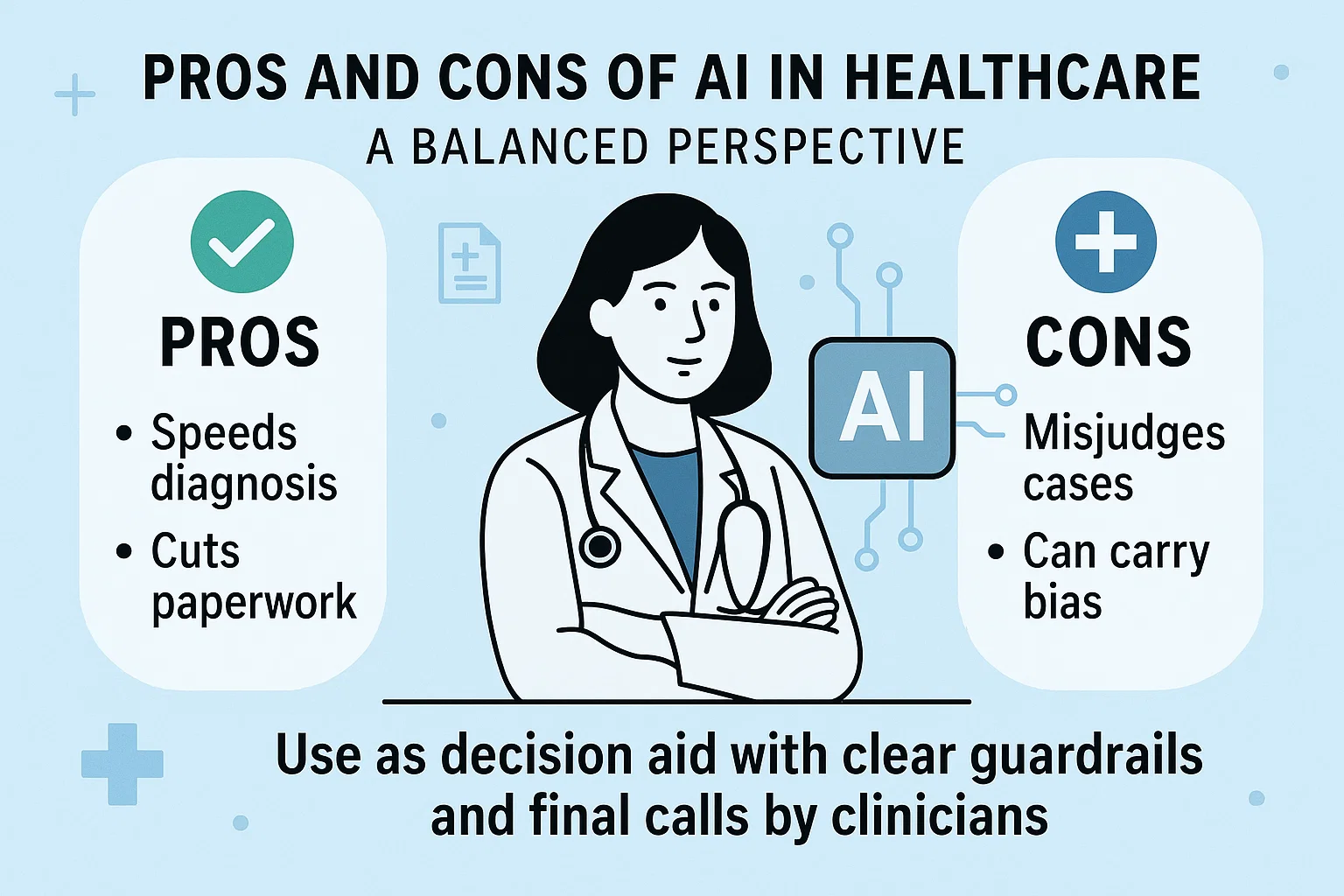
Current healthcare trend reports highlight AI for documentation, diagnostics support, and operational decision-making as a major theme in 2026. This matters because hospitals do not only need “more intelligence.” They need less routine burden on clinicians and faster access to useful information.
In practical terms, that can mean shorter documentation cycles, better triage support, and faster access to patient context. It does not make the hospital more human by itself. It helps staff spend more time on human care instead of repetitive admin work.
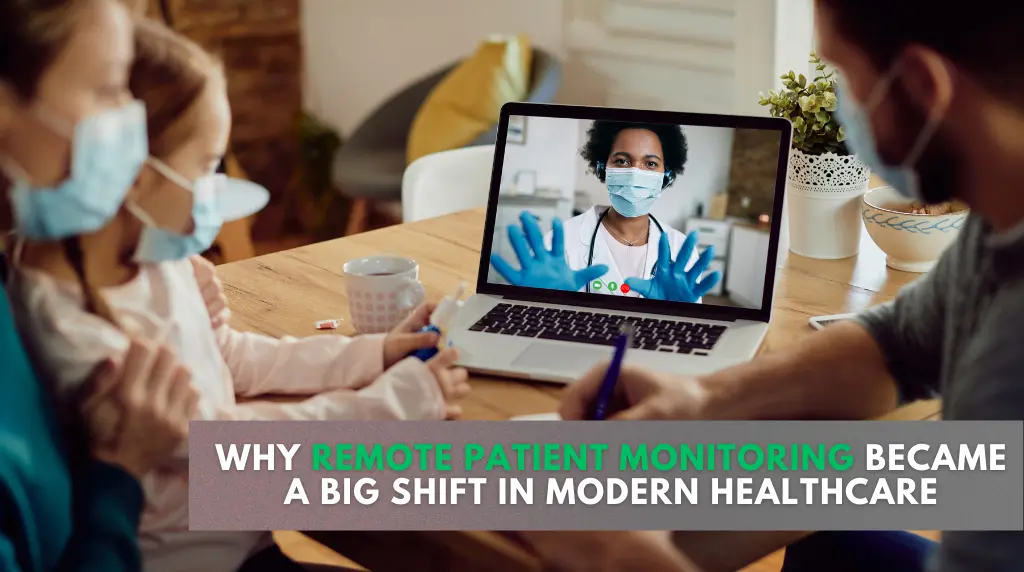
A major part of modern smart hospital technologies is that care no longer stops at the hospital walls. This is not just a theory in the U.S. CDC data shows that 30.1% of U.S. adults used telemedicine in the past 12 months in 2022. Many hospitals are adapting hybrid care models, where virtual visits and home-based support are tied directly into hospital workflows.
The American Hospital Association’s innovation scan also notes that smart hospital strategies now extend into integrated virtual visits and home-based monitoring.
This shift matters because many patients do not need a bed to need care. They require follow-up, reminders, post-discharge monitoring and support. It is possible to mitigate readmissions and make communications between visits in the hospitals that manage it well.
This relates to conversational AI in healthcare, as most virtual care touchpoints have become guided chat and patient support flows.
Connected monitoring is one of the biggest “quiet” changes in hospital care.
Hospitals are now able to monitor beneficial indicators using home devices and integrated systems instead of waiting to make the next physical check.
Both the scan of the AHA innovation and the 2026 healthcare trend reports indicate remote monitoring as a major component of smarter care delivery. The remote patient monitoring systems also have an upwards growth in market data indicating an increase in the adoption of these systems.
In the case of hospitals, this will result in improved visibility on recovery, chronic disease follow-up, and post-discharge risk.
For patients, it often means less travel and earlier intervention when something starts to drift. This is one reason smart hospital technology is no longer only about equipment inside the building. It is also about how the hospital stays connected after the visit ends.
A hospital room used to be just a place where care happened. At the same time, the hospital smart room technology will be included in the process of care coordination in 2026. Smart rooms have the ability to integrate location-aware systems, patient communication tools, room controls, and related monitoring in such a way that the room itself enhances better workflow and patient comfort.
Broader healthcare trend reporting for 2026 highlights connected environments and real-time operational data as a major direction of travel.
This matters because the patient room is where confusion often builds. Individuals require straightforward guidelines, quick support and easy-going controls. Smart rooms are able to minimize minor delays and make it seem less confusing when they are connected to nurse processes.
A few years ago, smart beds sounded like premium extras. In 2026, smart hospital bed technology is being discussed in more practical terms: fall prevention, pressure injury support, patient monitoring, and clearer bedside alerts.
Recent healthcare coverage notes that newer smart bed systems are focusing on targeted safety functions and data-supported bedside decisions rather than flashy features. Research and industry reporting also point to functions like weight measurement, body repositioning, and vital sign tracking.
This does not mean every hospital bed is suddenly “intelligent.” It means more hospitals are looking at the bed as a data source and safety tool, not only furniture. When tied into the nursing workflow, these systems can support earlier alerts and better patient handling.
Hospitals are difficult to orientate around and that lack of understanding wastes time on the part of patients and the employees. Navigation applications nowadays are based on AR, QR check-ins, and multilingual instructions, which enables thousands of daily visitors to navigate through the hospital more efficiently.
This is a useful signal of a broader trend: wayfinding is becoming part of smart hospital strategy because orientation is a real patient experience problem.
This kind of system may look small compared with AI or remote monitoring, but it solves a daily friction point. In real hospitals, reducing confusion at entry points can improve satisfaction and reduce staff interruption. That is exactly the kind of practical win that makes smart hospital technologies valuable.
In 2026, rankings and analyses of leading smart hospitals point to a pattern: connected systems and coordinated use of technology across care and patient experience.
The hospitals recognized as “best smart hospitals” are standing out because multiple systems work together.
That is the real lesson. Smart hospital strategy is less about owning the newest tool and more about building a connected environment where AI, smart rooms, monitoring, navigation, and staff workflows reinforce each other.
When these systems are disconnected, hospitals get more dashboards but not necessarily better care. When they are integrated, the result is calmer operations and more responsive care.
| Trend | What It Changes |
| AI support tools | Reduces documentation burden and supports faster decisions |
| Virtual and hybrid care | Extends care beyond the hospital building |
| Remote monitoring | Helps track patients between visits and after discharge |
| Hospital smart room technology | Improves room-level workflow and patient communication |
| Smart hospital bed technology | Supports safety, monitoring, and bedside decisions |
| Digital wayfinding | Reduces patient stress and navigation confusion |
The most important smart hospital technology trends in 2026 are not about looking futuristic. They are about making hospitals easier to work in and easier to move through. AI support, virtual follow-up, connected monitoring, smarter rooms, smarter beds, and better navigation are all pushing healthcare in the same direction: less friction, faster response, and more continuous care.
The hospitals getting the most value are the ones connecting these tools into one usable system, not treating them as separate experiments.
WebOsmotic supports this shift through practical AI services for healthcare that connect data, automation, and patient-facing workflows into one usable system.
It refers to connected digital systems that improve patient care, staff workflow, and hospital operations, including AI tools, monitoring, and smart room systems.
The main ones include AI support tools, virtual care, remote monitoring, hospital smart room technology, smart hospital bed technology, and navigation systems.
It is the use of connected room systems for patient communication, monitoring, workflow support, and comfort controls that improve the inpatient experience.
It can support fall prevention, pressure care, monitoring, and better bedside decisions when integrated into nursing workflow.
Because staff pressure, patient expectations, and the need for connected care are pushing hospitals to improve efficiency and continuity beyond traditional visits.