AI Personalization in Ecommerce: How Online Stores Started Selling Smarter
352 Views
Summarize Article



Summarize Article
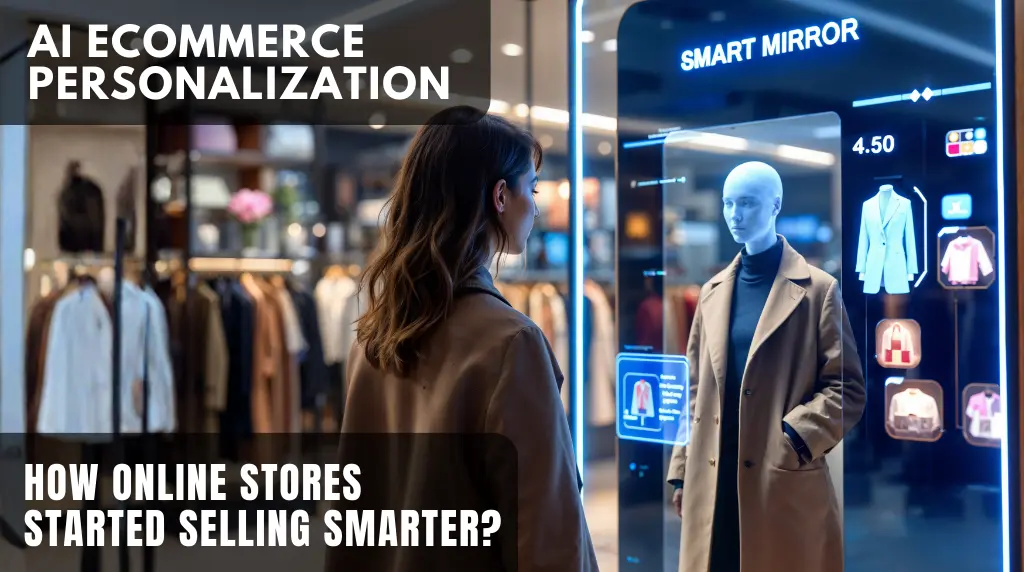
Online shopping was very simple in a very plain manner before AI personalization in ecommerce became a part of it. All the visitors were presented with practically the same homepage, the same product collections, and the same available offers. It was the hope of the stores that they could find something that would be of use in case one would search by clicking around.
That is no longer an effective approach. The shoppers want the websites to know what they like, what they need and what stage of purchase that they are in. They do not desire to browse through hundreds of products that are meaningless to them. They desire the shop to have a sharp, relevant, and comfortable feeling.
AI personalization in ecommerce sees 7 times more purchases. Also, it boosts conversion rates by up to 8%. This is not just concerning creating a modern feel on the site. It is about selling smarter.
AI personalization in ecommerce implies that based on the customer behavior and data trends, relevant products and messages should be displayed to a certain shopper.
That can include:
The key difference is that the system adjusts in real time or near real time, based on what the shopper is doing.
So instead of showing “featured products” to everyone, the store can show running shoes to one visitor, skin care to another, and laptop accessories to someone else, all on the same day.
That is the real promise behind AI personalization ecommerce. It helps stores stop treating every visitor like the same person. For practical examples that stores can copy, how to use AI in ecommerce breaks the setup into clear steps.
The simple reason is competition. Ecommerce is crowded. If a shopper does not find the right product quickly, they leave.
AI helps stores in three major ways.
A shopper may know the problem, but not the exact item. AI can close that gap by showing products that fit intent, not just keywords.
Relevant suggestions reduce friction. When people see products that make sense, they move faster.
Smart cross-sell and upsell suggestions can increase basket size without feeling pushy.
This is why ecommerce personalization AI became more than a nice feature. It turned into a revenue tool.
Also, you can read about Generative AI for ecommerce as it is a
The system usually looks at signals like:
Then it uses these signals to predict what the shopper is more likely to engage with.
For example:
This is where AI personalization for ecommerce starts to feel useful instead of random.
The homepage becomes more than a storefront. It becomes a live response to each visitor’s behavior. Categories, banners, and product rows can shift based on what the system thinks is most relevant.
This is the most visible use case. “You may also like” used to be basic. Now it can reflect browsing patterns, compatibility, style preferences, and even price comfort.
If the goal is better suggestions without guesswork, AI tools for ecommerce businesses shows what teams use to improve accuracy.
AI improves search by understanding intent better. If someone types a broad or messy phrase, the search can still surface useful results.
AI can decide what product to show, when to send the message, and what type of wording may work better for that shopper segment.
Not every shopper needs a discount. Some just need the right product shown at the right time. AI can help stores avoid over-discounting by improving relevance first.
This data shows why stores started selling smarter. AI did not change just one widget. It changed the full decision path.
| Area | Traditional Ecommerce | AI Ecommerce Personalization |
| Homepage | Same for most visitors | Adjusts based on behavior and interest |
| Recommendations | Rule-based or generic | Behavior-based and dynamic |
| Search | Keyword matching | Intent-aware and more adaptive |
| Emails | Fixed campaign list | Triggered and personalized timing |
| Offers | Broad discounts | Smarter targeting based on signals |
| Shopping journey | Mostly static | More responsive and guided |
Good personalization feels helpful, not creepy.
It should do things like:
It should not:
A shopper should feel that the store is organized and useful, not that it is spying on them.
That line matters a lot in AI ecommerce personalization, because trust is part of conversion.
Even strong technology can fail if the setup is weak.
If product attributes are messy or incomplete, the AI has weak material to work with. Bad data leads to weak recommendations.
If you want personalization built on clean catalog data and safe retrieval, AI services for ecommerce explains how WebOsmotic ships it.
Some stores overdo personalization and make the site feel unstable or confusing. Shoppers still need a clear structure.
A visitor who just landed may not need aggressive product suggestions right away. Sometimes they first need trust, clarity, or category guidance.
If the system groups people badly, the experience feels off. A luxury buyer does not want budget-focused messaging, and a first-time shopper does not need loyalty content.
So the smartest stores combine AI with strong merchandising, not AI alone.
AI assisted web shops in initiating the sale of smarter by making the shopping more personalized, responsive, and less wasteful. It enhanced the process of product discovery, quality of the recommendation, and timing throughout the journey. The combination of good data, clear merchandising, and AI is the best combination, not stores based on automation only.
It is the use of AI to show more relevant products, content, and offers based on customer behavior, purchase patterns, and shopping intent.
It improves conversions by reducing irrelevant choices and helping shoppers find products faster, which lowers friction and supports quicker buying decisions.
Traditional recommendations are often fixed or rule-based. AI personalization changes product suggestions and experiences based on live behavior and customer patterns.
No. Smaller stores can use it too, especially for product recommendations, email targeting, and smarter category merchandising that improves customer experience.
The biggest mistake is using weak product data or forcing too much personalization too early, which can make the shopping experience feel confusing.