How to Use AI for Ecommerce Business to Grow Your Brand
149 Views
Summarize Article



Summarize Article
Selling online looks simple on the surface. Traffic comes in, products sit on screens, orders flow out. In real life, you face drop-offs, price wars, ad costs, support queues, and stock issues.
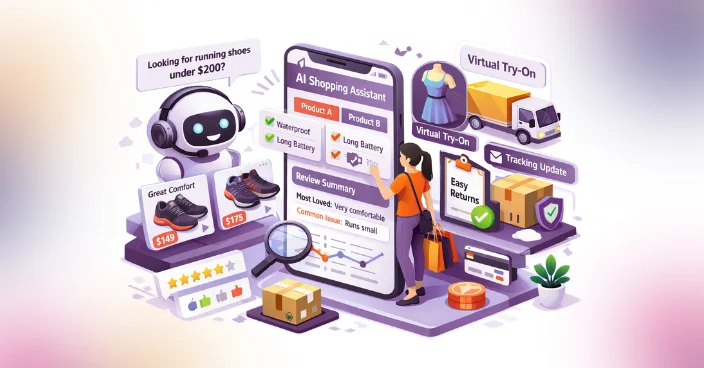
AI for ecommerce business gives marketing teams sharper eyes on buyers, products, and daily decisions. Did you know brands that use AI-driven personalization see about 3-15% revenue uplift and 10-20% higher marketing ROI?
The goal is clear, getting better margins, smoother operations, and happier customers without adding chaos to your workflows.
Most stores sit on strong signals: search queries, product views, carts, returns, repeat orders, support chats. AI tools help turn that history into clear actions.
Good setups do three things:
You do not need a big reset. You start small, plug AI on top of existing platforms, and test one use case at a time.
When users fail to find what they want, you lose them within seconds. AI in eCommerce helps remove that friction by reading intent, typos, and browsing context rather than relying on plain keyword matching.
It learns which products actually convert for each search and moves those to the top. Over time, search starts to feel like a smart helper that points users to what they want instead of flooding them with options.
This cuts exits and increases clicks. AI suggestions then highlight related or trending items that lift average order value without extra ad spend.
Around 77% of online shoppers now expect tailored experiences as a basic feature when they buy.
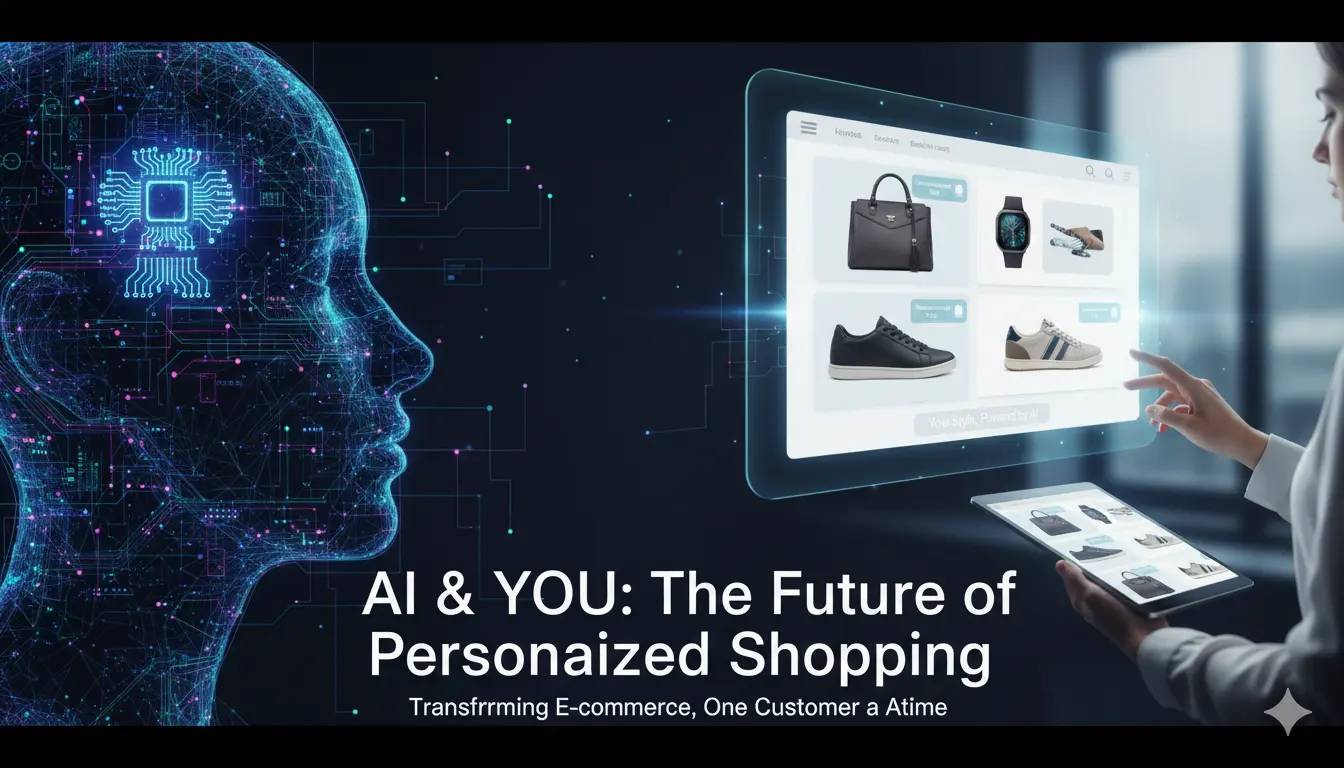
Personalisation works only when it feels natural. AI spots patterns in views, buys, and clicks, then suggests items or small bundles that make sense in that moment.
A gentle reminder for a product they checked earlier, or a clear add-on that fits the cart, feels helpful, not pushy.
Start small. Use simple rules, watch how people react, and build on what works. Done well, AI behaves like a good in-store assistant: relevant, calm, and aligned with your brand.
Static pricing struggles against real-time deals and cost changes. AI models help you adjust prices within safe limits.
You can:
Set guardrails first. AI supports decisions, it does not replace basic business sense.
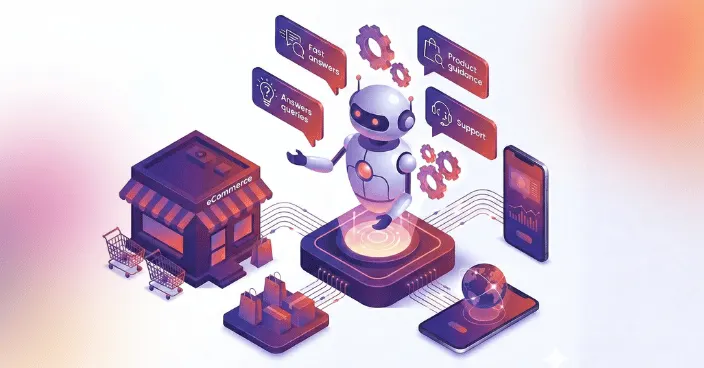
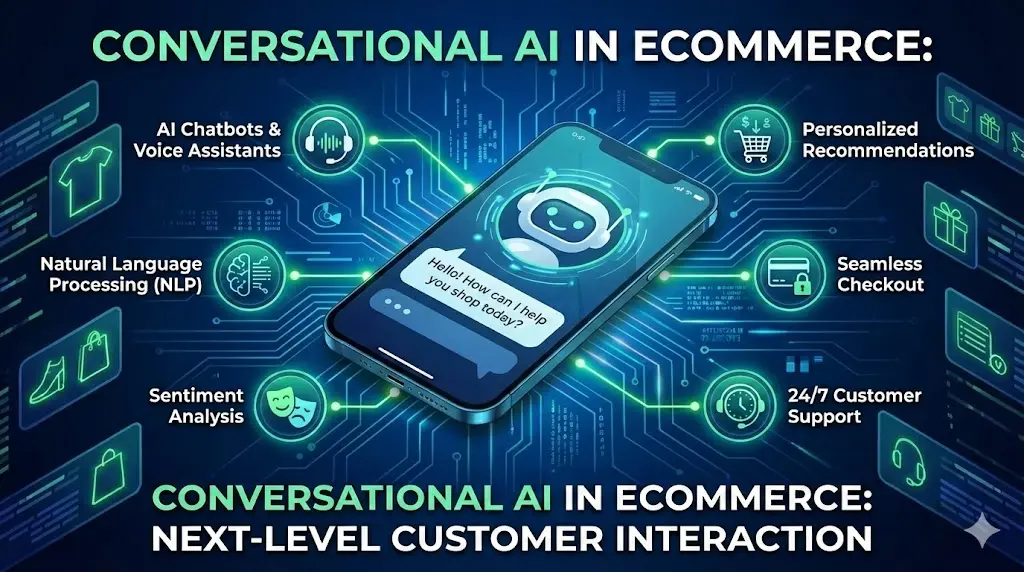
Support teams see the same queries daily: order status, size guides, shipping, returns. AI chatbots and assistants can handle these repetitive cases.
Benefits:
Train bots on your own policies, tone, and FAQs. For tougher tickets, route to humans without friction. This is where best AI customer engagement tools for ecommerce businesses create real value: consistent, on-brand, measurable conversations.
AI can flag slow movers, predict demand, and cut stockouts or overstock. It can also spot patterns in returns so you fix product pages, images, or sizing.
Good use cases:
Each small fix reduces waste, saves time, and improves trust. To know more, we recommend you reading our detailed guide about what is AI-powered eCommerce.
As ecommerce teams grow, hiring can slow everything down. AI recruitment for ecommerce businesses helps scan large volumes of applications without losing signal in noisy resumes.
It reads skills, experience, and past roles against your specific job needs, then builds a focused shortlist that fits your store, channels, and tools. Recruiters and hiring managers spend more time in real conversations with strong candidates instead of clicking through piles that never match.
AI should support judgment, not replace it. Your HR team sets the rules, defines must-have skills, and reviews every final call. Good systems show why a profile is recommended, avoid bias loaded signals, and follow clear privacy standards so candidate data stays safe.
Used in this way, AI recruitment for ecommerce businesses makes hiring faster and more fair, while protecting trust on both sides of the interview table.
Before you pick platforms, list your top 2 pains. Common starting points:
Then match tools to those problems. You may use AI tools for ecommerce businesses that work as plugins for your platform, or custom builds if your scale needs it. Check for:
Avoid tools that look fancy but hide results.
We talked about AI tools for ecommerce businesses. Your ecommerce brand does not need experiments everywhere. You need a clear AI roadmap that respects budget and key goals.
WebOsmotic audits journeys and data, picks only high impact use cases, and builds tools that plug smoothly into search, chat, pricing, and reports.
You keep control over experience and decisions while their team turns complex AI work into simple gains you can track. Start with a project and grow with confidence.