Why IoT in Manufacturing Became Essential for Smarter Production
34 Views
Summarize Article



Summarize Article
Manufacturing has always been about two things: consistency and speed. Yet factories still lose money in ways that feel avoidable. A machine drifts out of tolerance. A line stops for a minor part. A quality issue was noticed late. A maintenance team finds a problem only after a breakdown.
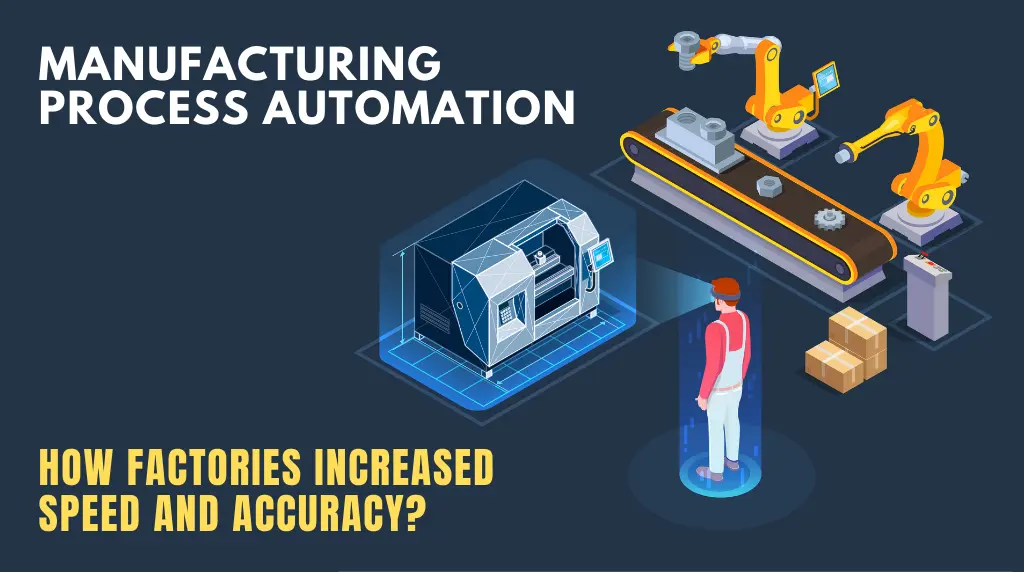
This is why IoT in manufacturing became essential. It gives real-time visibility into machines and production flow. When the right sensors and systems are connected, you stop relying on guesswork. You can see what is happening right now. Then, you can respond before small issues become expensive.
This guide explains what IoT really changes in manufacturing and how to approach adoption without breaking your existing operations.
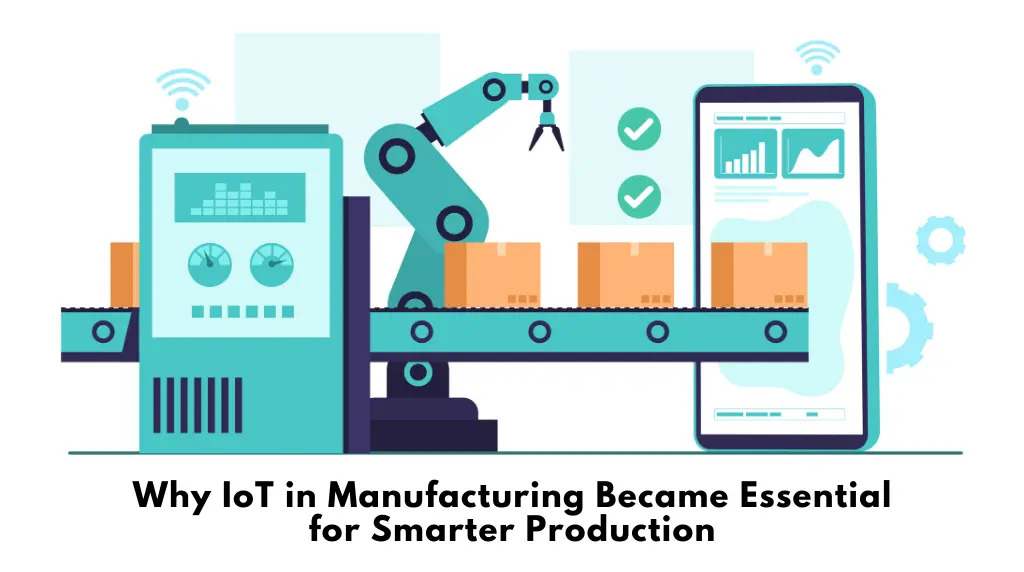
IoT in manufacturing is the use of connected sensors, devices, and systems that collect data on equipment and processes, then share it across dashboards or software tools for action.
That data might include:
When people say “smart factory,” this is the base layer. You cannot optimize what you cannot observe. IoT gives that observation.
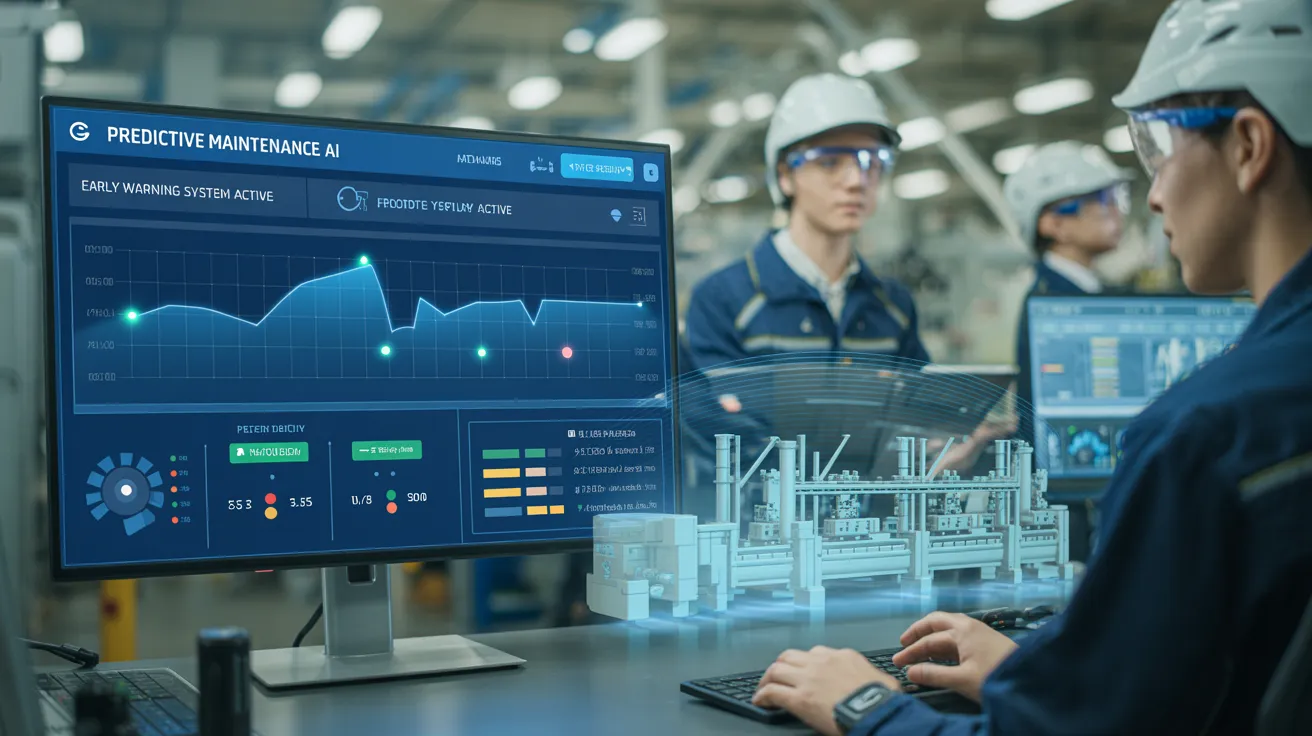
Unplanned downtime hits production targets and delivery promises. A single stop can ripple through a full day. IoT helps by detecting warning signs early so maintenance can act before failure.
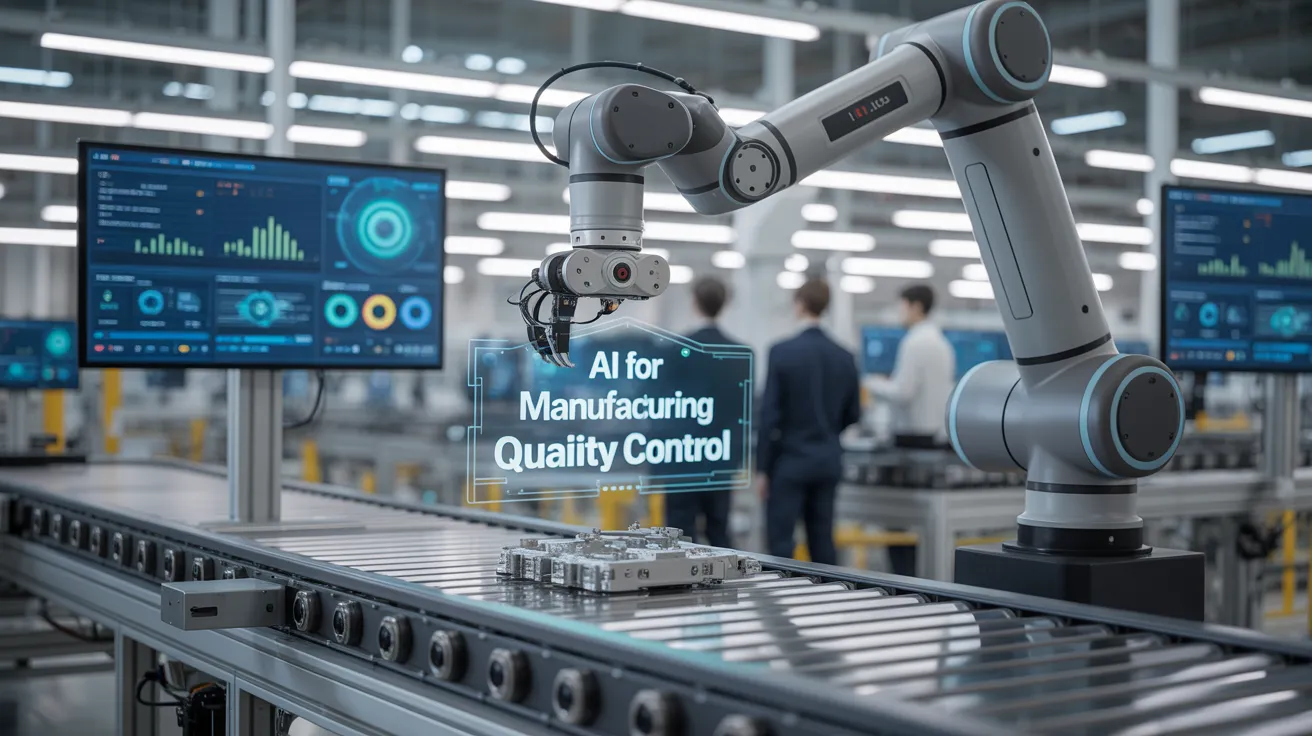
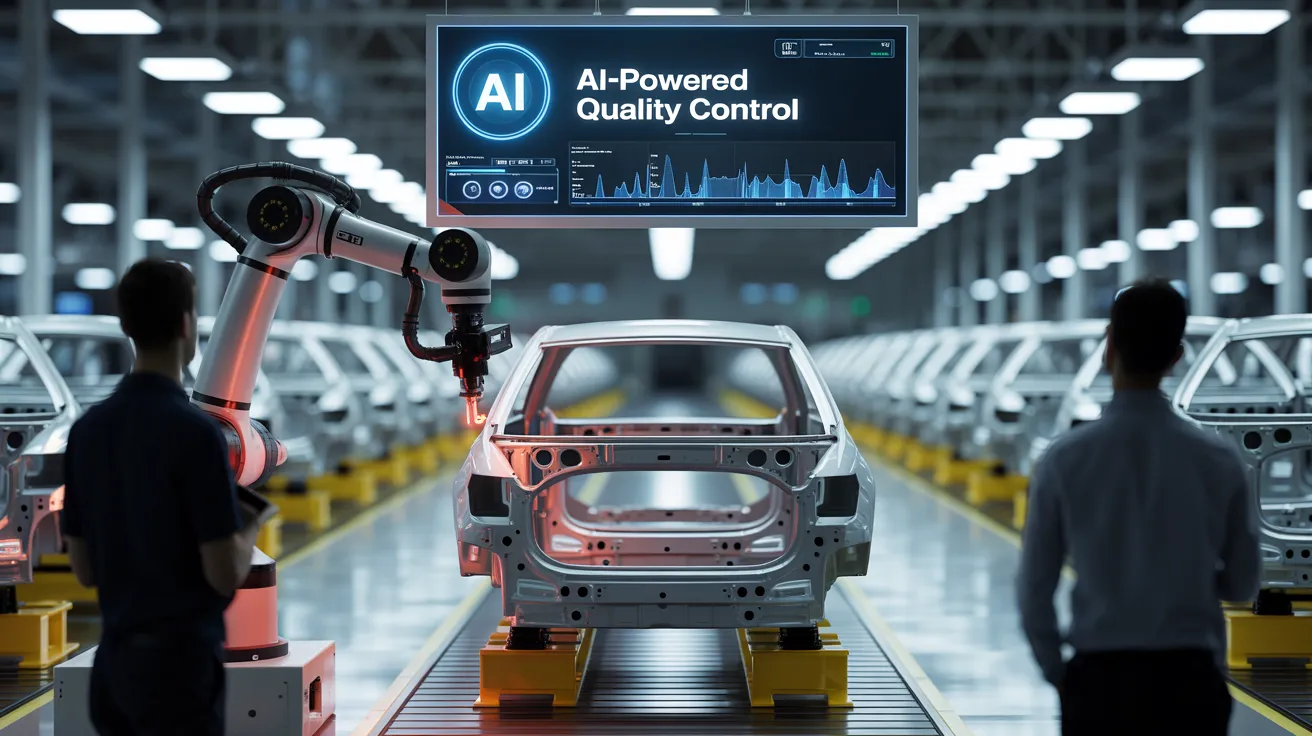
Customers expect tighter tolerance and fewer defects. IoT-enabled quality checks help detect drift earlier. This way, fewer bad units reach late-stage inspection.
Materials arrive late, priorities change, and production plans shift. A connected factory adjusts faster because it has real visibility on what is running, what is blocked, and what capacity exists.
Energy costs are real in manufacturing. IoT helps track energy usage per line or per shift, which supports cost control and sustainability targets.
Also read, how AI in food manufacturing is driving amazing results.
The biggest shift in the IoT in manufacturing industry is not gadgets. It is decision speed.
Before IoT:
With IoT:
This is why IoT is linked to smarter production. It changes how fast the factory can respond.
Installing sensors is the easy part. The hard part is IoT integration in manufacturing. Integration means the data actually reaches the systems that teams use, and it arrives in a form people trust.
A practical integration flow often looks like this:
You capture signals through PLCs, edge devices, or sensor gateways. Old machines can still be connected using retrofit sensors.
Factories have many data formats. The integration layer cleans and standardizes so the data can be compared across machines and lines.
This might be:
Data alone does not create value. Rules do. Example: “If vibration crosses X level for Y minutes, create a maintenance ticket.”
If integration is weak, teams stop trusting the system and go back to manual checks. That is why integration planning matters more than device selection.
Need assistance? Check out our best AI services for manufacturing and know how we drive maximum results by automating processes using AI.
IoT becomes valuable when it solves real problems. Here are the use cases that usually show value fastest.
Sensors track vibration, heat, and load patterns. The system flags early signs of wear. Maintenance becomes planned, not emergency-based. Do you want to learn more about it? Check our detailed guide about predictive maintenance.
Instead of weekly spreadsheets, teams see availability, performance, and quality in real time. They can identify bottlenecks during the shift, not after the shift.
IoT supports continuous monitoring of parameters that affect quality. It also helps track batch and lot details, so root cause analysis becomes faster.
Connected data shows where machines are underused and where lines are overloaded. This supports better scheduling and staffing decisions.
IoT can track compressed air leaks, power spikes, and energy use patterns. Many plants find big savings through basic monitoring plus simple fixes.
These examples show why IoT in smart manufacturing is less about “future tech” and more about daily operational control.
Some value shows up after the first wave.
When downtime reasons are tracked consistently, teams stop arguing based on memory. The data becomes the shared truth.
New operators learn faster when dashboards show normal ranges and alert patterns. It reduces reliance on tribal knowledge.
Lean and Six Sigma projects work better when you have accurate data. IoT reduces the time spent collecting data and increases the time spent fixing problems.
Many teams collect everything, then drown in dashboards. Start with the few signals that tie to a clear outcome like downtime or scrap rate.
Most plants have older equipment. Retrofit sensors and edge gateways can still deliver useful data without replacing machines.
Factories are increasingly targeted. Segment networks and keep firmware keep gateways updated. Treat IoT like critical infrastructure, not like consumer devices.
Operators and maintenance teams need to trust the system. If alerts are noisy or false, people ignore them. Tune alert rules slowly and include frontline feedback early.
IoT became essential in manufacturing because it gives faster control. It helps reduce downtime and improve quality. Also, it helps with optimizing energy.
The winners are not the plants with the most sensors. They are the plants that connect the right signals to the right actions through strong integration. Start small and then scale with a repeatable model.
If you wish to automate your manufacturing processes with the latest technology, get in touch with our expert team at Webosmotic.