Why On-Device AI Is Replacing Cloud-Only Mobile Apps in 2026
129 Views
Summarize Article



Summarize Article
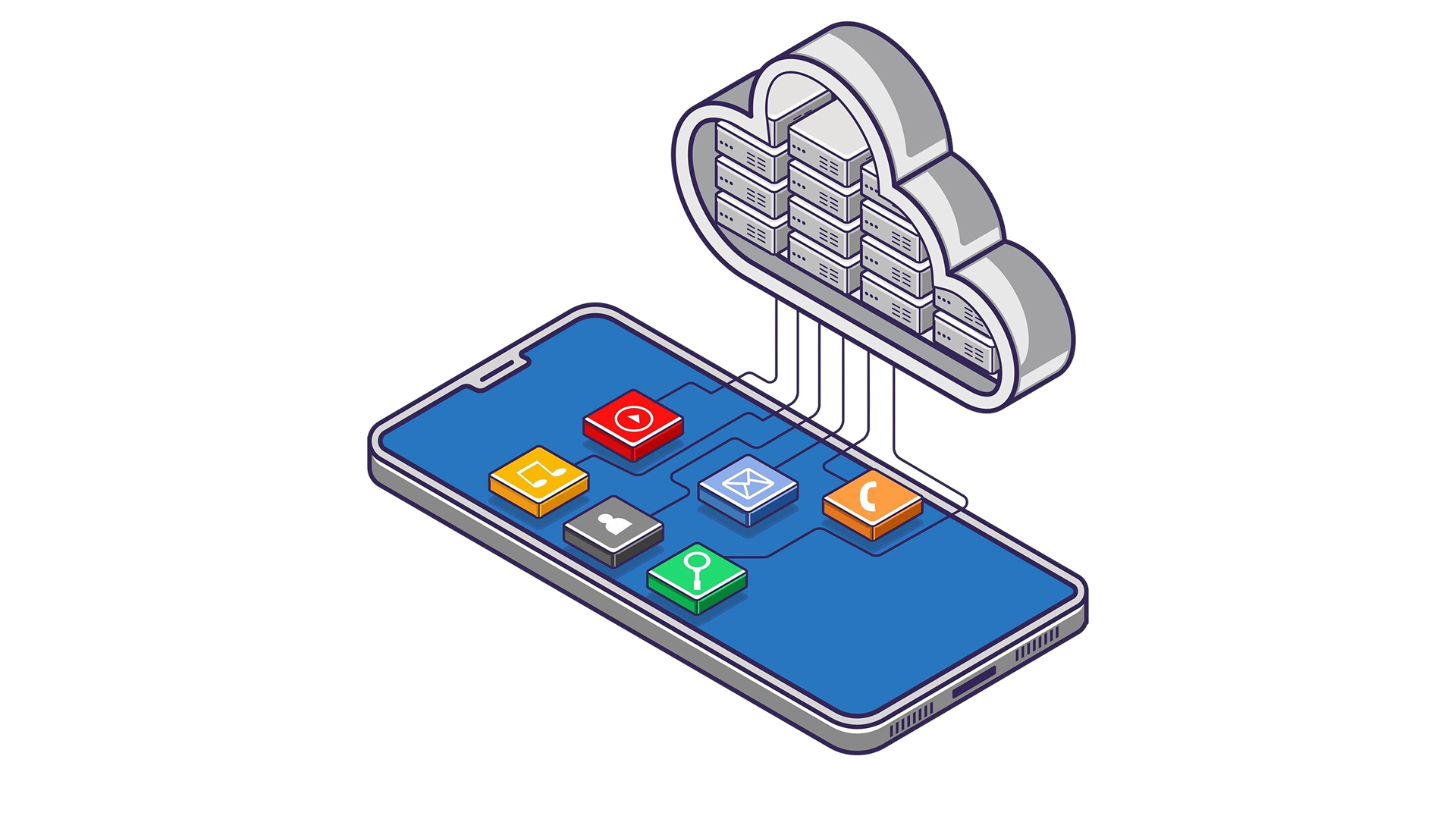
A year ago, adding an AI feature to a mobile app almost always meant a network call: send the prompt to a server, wait, get a response back, pay per token. That default has quietly broken. Apple’s Foundation Models framework, shipped with iOS 26, gives every developer direct Swift access to the same roughly 3-billion-parameter on-device model that powers Apple Intelligence, with no API key, no cloud cost, and no internet requirement. Google’s answer runs through AICore, the Android system service that hosts Gemini Nano and eliminates the server call, keeping inference, input, and output on the device.
Two platform vendors building this into the operating system itself is a different signal than a vendor SDK. It means on device ai mobile app development stopped being a specialized, infrastructure-heavy bet reserved for well-funded teams and became a standard architectural option available in the base SDK.
This piece is about what that actually changes: where edge AI mobile apps genuinely outperform a cloud call, what offline AI inference mobile development requires technically, and where the private on-device LLM approach still runs into real limits worth planning around before you commit to it.
For most of the last decade, “add AI to the app” meant “call an API.” The model lived on a server somewhere, the app sent data to it, and the response came back over the network. That architecture made sense when on-device models were too large, too slow, or too limited to be useful for anything beyond basic classification.
Two things changed that math. First, model compression got genuinely good: Apple’s on-device model is quantized down to roughly 2 bits per weight and still handles summarization, extraction, and structured reasoning competently.
Second, both major mobile platforms decided this belonged in the OS layer rather than a third-party library, which means the model ships with the device, updates with the device, and costs nothing per call. When the platform vendor absorbs the infrastructure cost, the calculation for every app built on top of it changes. That shift is the real starting point for on device ai mobile app development in 2026.
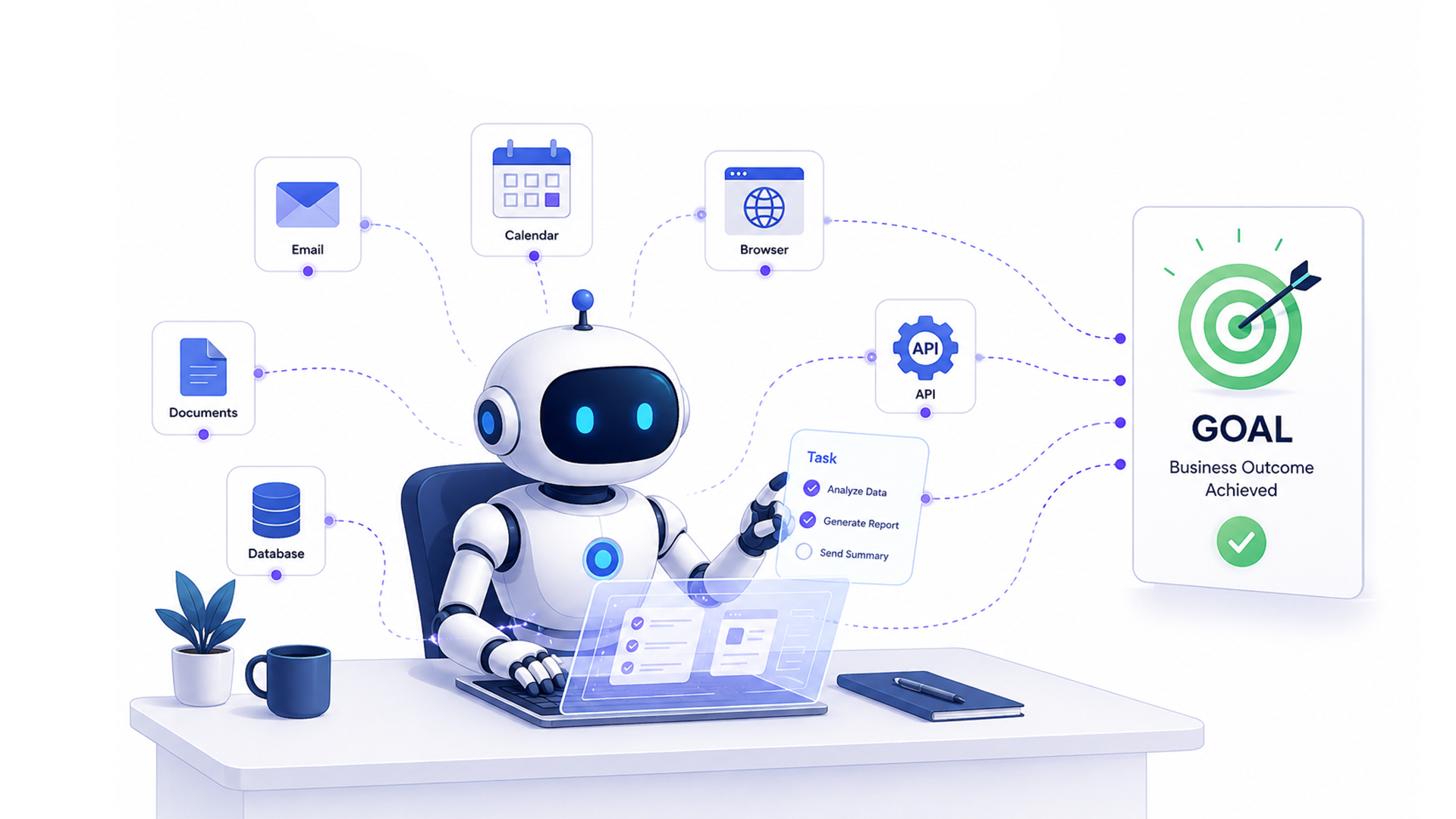
Apple’s own developer documentation is specific about what’s included: a native Swift API, guided generation for structured Swift output, streaming for responsive UI, and tool calling so the on-device model can invoke functions inside your app, all running on the Neural Engine without leaving the device.
The model itself is deliberately scoped. It is not a general knowledge chatbot; Apple’s own framing is that it’s built for the kind of app-specific tasks a general cloud model is overkill for: summarizing a thread, extracting structured data from text, drafting short content, refining tone.
That scoping is a design decision worth taking seriously rather than treating as a limitation to work around. A model this size, running on a phone’s battery and thermal budget, was never going to match a frontier cloud model on open-ended reasoning. What it can do is handle the narrow, repeatable tasks that make up the bulk of real in-app AI features, at zero marginal cost and with data that never leaves the device.
Google took a similar architectural bet with a different packaging. AICore is a system-level Android service that manages Gemini Nano’s lifecycle, model updates, and safety filtering, exposed to developers through ML Kit’s GenAI APIs for common tasks like summarization, proofreading, and rewriting, or through the AI Edge SDK for more direct control.
The practical effect is the same as Apple’s approach from a different angle: your app doesn’t bundle model weights, doesn’t manage updates, and doesn’t pay per inference. The OS handles all of it.
The device support story is more fragmented on Android than iOS, since AICore-capable hardware varies by chipset and OEM rather than a single vendor’s device line. That’s a real planning consideration for offline AI inference mobile work specifically: an Android feature built around AICore needs a defined fallback path for devices where the hardware isn’t there yet, in a way an iOS-only build largely doesn’t.
The honest case for on-device processing isn’t “it’s better.” It’s that it’s better for specific things, and worse for others.
Most production apps in 2026 aren’t picking one architecture exclusively. They’re routing: on-device for the fast, private, offline-capable slice of the feature set, cloud for everything that genuinely needs more model than a phone can carry.
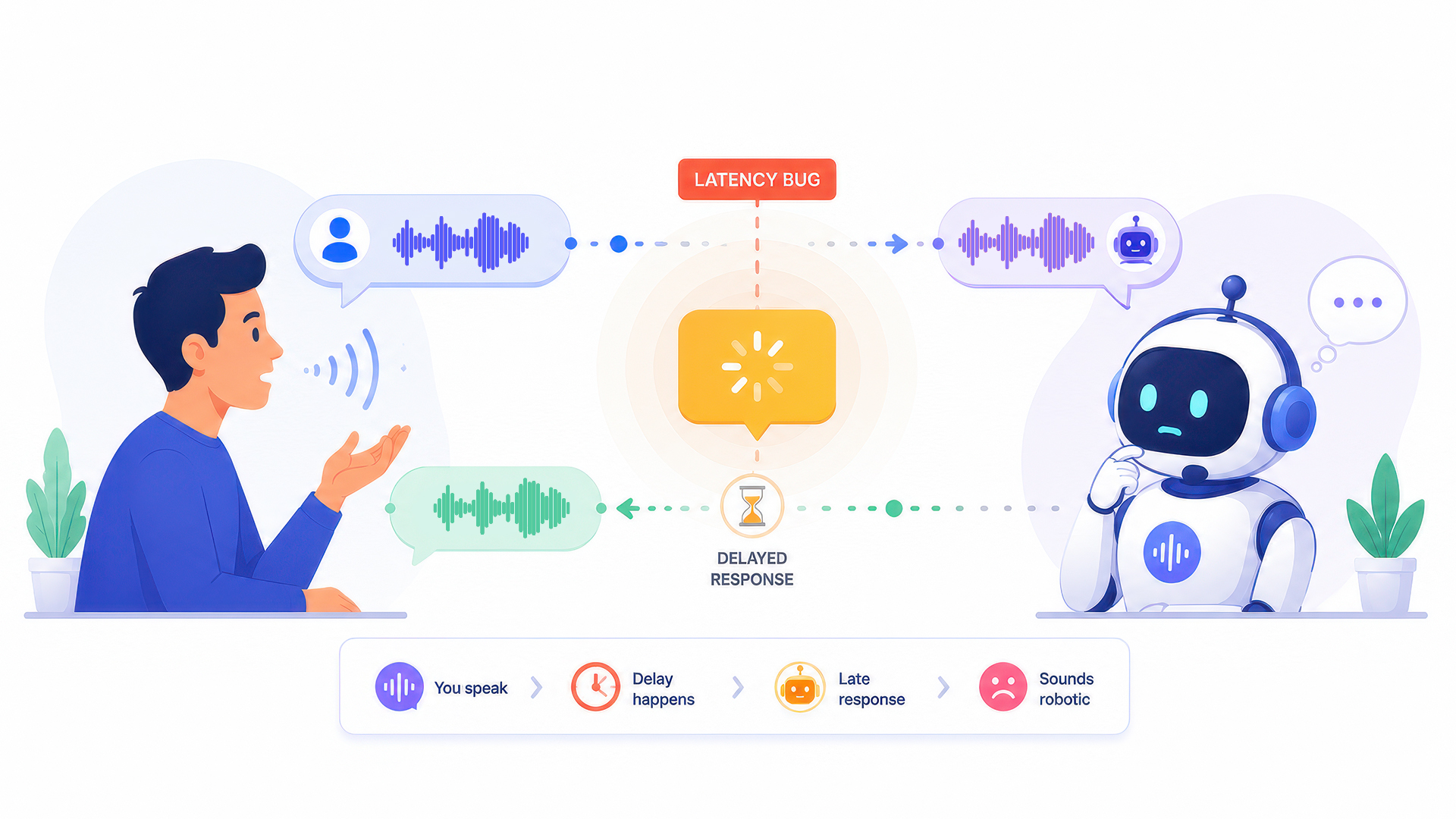
Teams new to on device ai mobile app development often assume the main shift is just swapping an API call for a local one. The bigger shift is in the testing and QA process. A cloud model behaves identically for every user; an on-device model’s actual behavior can vary by chipset, OS version, and how much thermal headroom the device has at that moment. That means:
None of this makes on device ai mobile app development harder in a way that should discourage it. It makes it a genuine engineering discipline with its own test strategy, not a drop-in replacement for a cloud API call with the same assumptions carried over.
Running inference locally solves the data-leaves-the-device problem. It does not automatically solve every privacy and compliance question a team building in a regulated space needs answered.
If your app handles health information specifically, the architectural questions get more demanding than “does the model call a server,” closer to the standard our own HIPAA-compliant app development work walks through: what gets logged, what gets cached, and whether the on-device processing itself creates a new audit surface that needs the same rigor as a cloud pipeline would.
The same discipline that applies to any AI feature shipping to production applies here too. A model running locally still needs testing built around how AI systems actually fail, not just a deployment checklist, since a private on-device LLM producing a subtly wrong summary is still a wrong summary, regardless of where the inference happened.
| Trying to figure out which parts of your app actually belong on-device? Send us your current feature list. WebOsmotic will map which features are genuine on-device candidates and which still need the cloud, before you write a line of platform-specific code. |
The architecture decision that actually determines project cost isn’t “on-device versus cloud.” It’s whether the on-device layer is built as a genuine abstraction, with a defined interface your app calls regardless of whether Apple’s Foundation Models or Google’s AICore is answering underneath, or whether it’s built as two parallel, platform-specific integrations maintained separately.
Two platform vendors building free, offline, privacy-preserving inference into the OS layer is not the kind of investment either company walks back. On device ai mobile app development is quickly becoming standard architecture, not the exception. If you are shortlisting a partner for on-device AI work, a directory of the best mobile app developers is a useful first filter.
The realistic expectation for the next few product cycles is that on-device capability keeps growing, not that it gets deprecated in favor of routing everything back to the cloud. Teams building mobile products now have a genuine architectural choice they didn’t have eighteen months ago, and the ones treating that choice deliberately, routing the right tasks to the right layer instead of defaulting to whichever was easier to prototype, are the ones who won’t need to re-architect the AI layer again next year.
| Building the on-device layer for the first time and want it done right? WebOsmotic builds the shared abstraction layer across Apple’s Foundation Models and Google’s AICore, so you write the feature once. |
Is on device ai mobile app development actually free, or is there a hidden cost?
The inference itself is free in the sense that there’s no per-call API fee, since Apple and Google both absorb the model hosting and compute cost at the OS level. The real cost shifts to engineering: building a good fallback strategy for unsupported devices, testing across a fragmented hardware matrix on Android specifically, and validating output quality for a smaller model than teams may be used to working with.
Do offline AI inference mobile features actually work with zero connectivity?
Yes, for the on-device portion of a feature. Both Apple’s Foundation Models framework and Google’s Gemini Nano via AICore process the entire request locally once the model is downloaded to the device, with no network dependency for that specific inference. A hybrid feature that also calls a cloud model for heavier tasks will lose that portion offline, which is why defining the split clearly matters.
Can a private on-device LLM actually replace a cloud model for most features?
For narrow, well-scoped tasks, often yes: summarization, extraction, short-form rewriting, and structured data generation are squarely in scope for both Apple’s and Google’s on-device models. For open-ended reasoning, broad world knowledge, or tasks needing consistent behavior across every device generation, a cloud model is still the more reliable choice.
How does mobile app data privacy AI actually get verified, not just claimed?
Verification requires more than confirming inference happens locally. It means auditing what gets logged, cached, or transmitted elsewhere in the app’s data pipeline, since on-device inference only protects the specific data that stays inside that inference call. Teams in regulated industries need this reviewed with the same rigor applied to any other compliance-sensitive system.
Should a new mobile app default to on-device or cloud AI in 2026?
Neither by default. The right approach is evaluating each feature against the tradeoffs: privacy sensitivity, offline requirement, cost at scale, and how much reasoning capability the task genuinely needs, then routing accordingly. Most production apps end up with a mix rather than an exclusive commitment to either architecture.


Vipul Jain is the Founder of WebOsmotic, a product-focused engineering company, with over 16 years of experience partnering with CTOs and founders globally. He leads a team of 90+ engineers specializing in Mobile, Web, GenAI, Automation, and Cloud solutions, delivering scalable and high-quality products. Known for his transparent approach and strong execution, Vipul focuses on bridging the gap between technology and business strategy, helping organizations reduce complexity and bring their ideas to market efficiently.