Enterprise AI Stack: Build AI-Ready Without a Full Rebuild
188 Views
Summarize Article



Summarize Article
TLDR: Most enterprise AI projects stall at the infrastructure layer, not the model. Gartner projects 60% of agentic AI initiatives will fail in 2026 due to poor data readiness, not model limitations. The stack underneath the model is where the real work happens.
Spending $37 billion on enterprise AI and still shelving pilots is not an irony; it is a pattern. Nearly 60% of AI leaders cite legacy system modernization as their primary adoption barrier, and worker access to AI rose 50% in 2025, while only 34% of organizations have actually restructured operations around it (Deloitte, 2026). The board wants AI deployed yesterday. Engineering knows the data is a mess. Both are right.
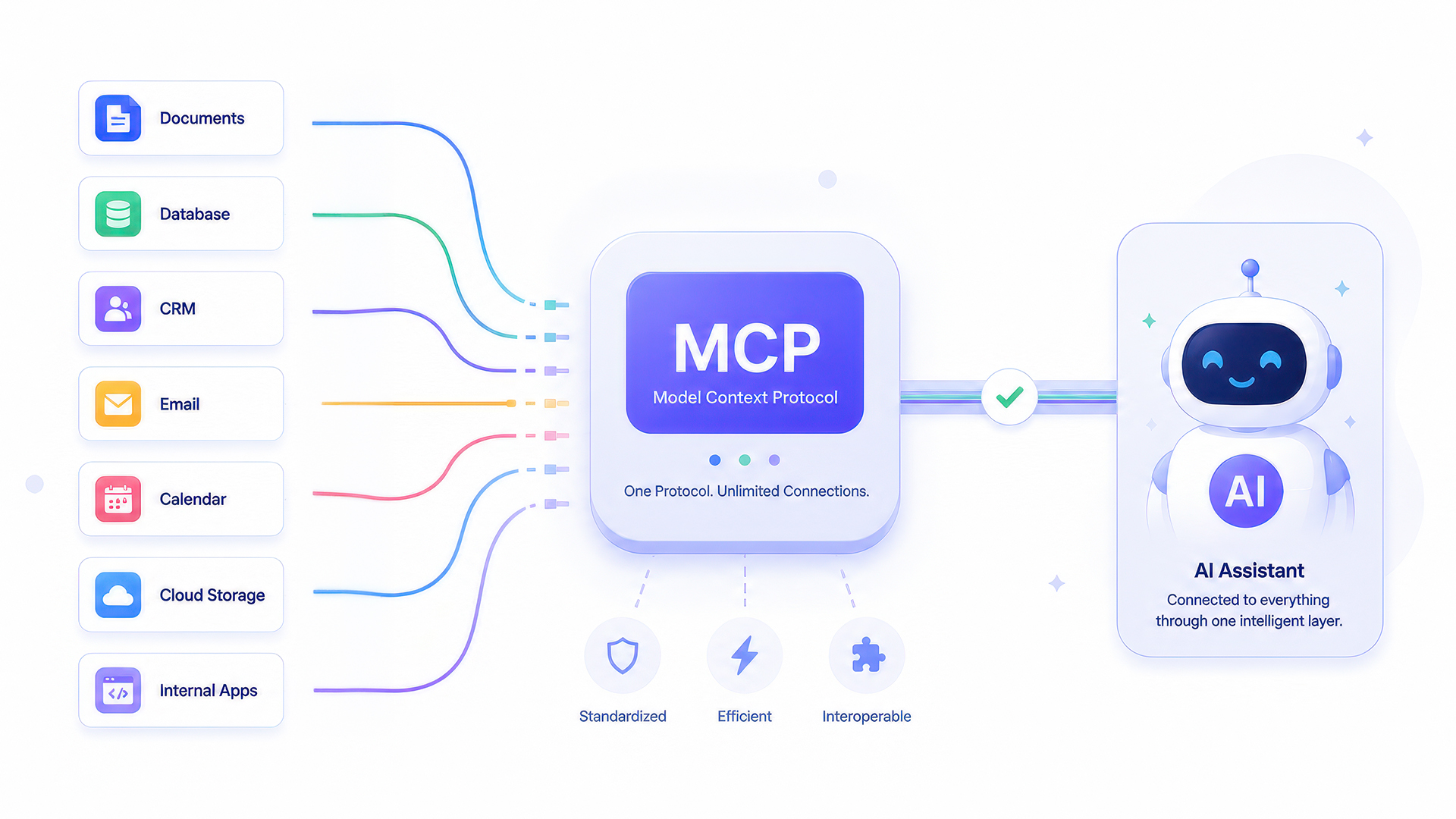
Enterprise AI does not fail because a foundation model underperforms. It fails because a 2009 ERP, a siloed CRM, and a reporting tool pulling 24-hour batch exports cannot feed a model real-time, governed data.
The gap sits in the AI-ready infrastructure layer that most enterprises skip while chasing benchmark scores. This guide breaks down how to build every layer of an enterprise AI stack without dismantling what already works.
Most enterprise AI failures are infrastructure failures. The model runs fine in a sandbox, then breaks the moment it contacts a legacy ERP, a siloed CRM, and a reporting pipeline running on 24-hour batch exports instead of live data.
AI-ready infrastructure cannot be layered on top of disconnected systems. Deloitte’s 2026 State of AI report, drawing from 3,235 business and IT leaders, states plainly that legacy data and infrastructure architectures cannot power real-time, autonomous AI. APIs fail on contact.
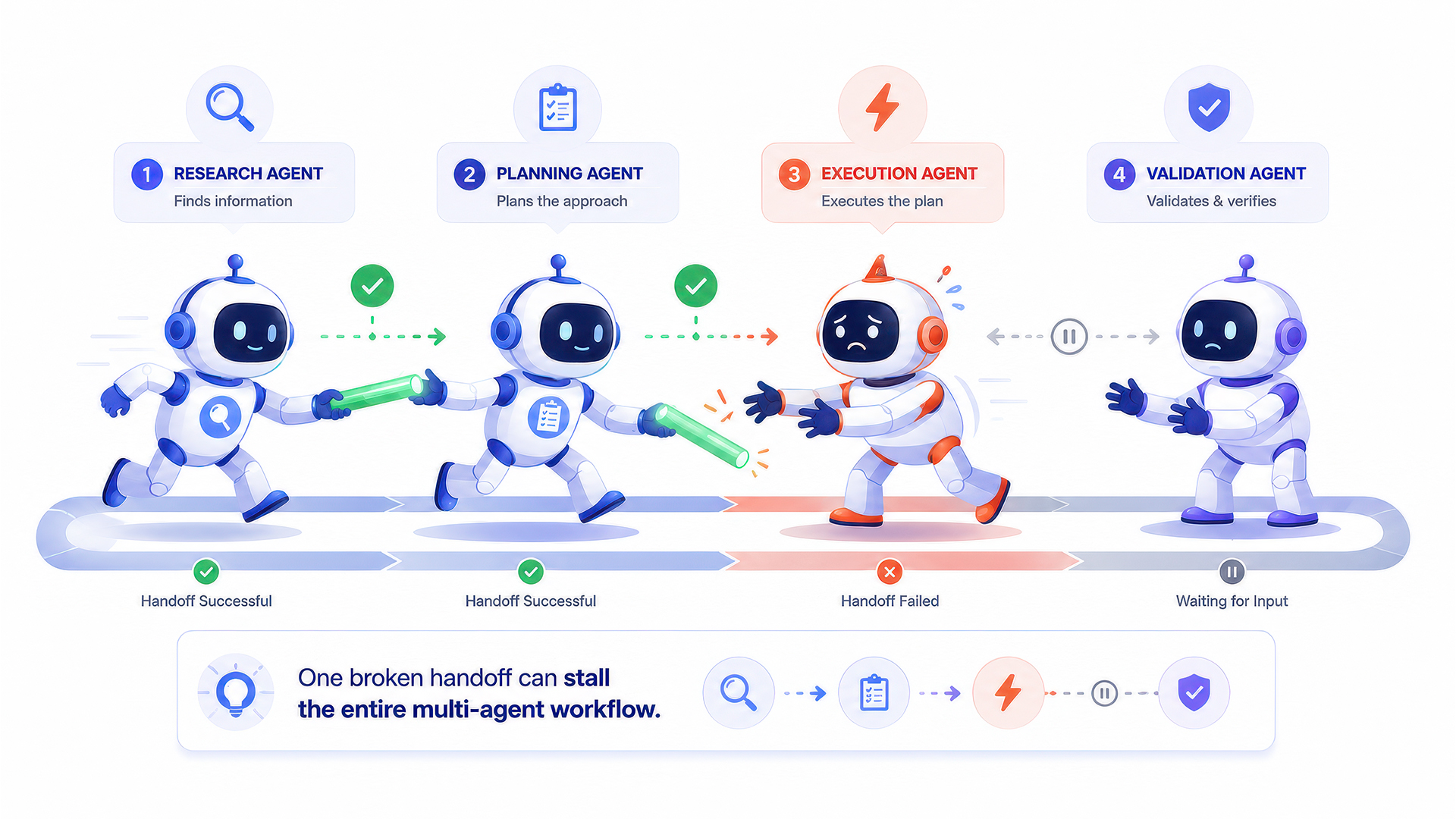
Data syncs lag by hours. Workflows stall when systems cannot pass context between each other. The result: enterprise AI outputs no one trusts, quietly shelved after the pilot (Deloitte, 2026).
The operational damage is real. A supply chain AI built on stale batch data can trigger the wrong procurement order at scale. Companies are not lacking ambition; they are buying models before fixing the pipes.
Gartner found that 30% of generative AI projects fail because of poor data quality. Enterprises have the data spread across lakes, warehouses, and internal tools, but rarely in a format an AI model can consume reliably.
Audit data accessibility before buying any AI tool. Stale, siloed data produces wrong enterprise AI outputs, and wrong outputs in enterprise production cause real operational damage. Fixing the data layer does not require a new platform. It requires visibility into what you already have.
A production-grade enterprise AI stack has five integrated layers: infrastructure, data, model development, application integration, and governance. These layers must operate in sync, not in sequence, to support AI workloads that are reliable, auditable, and compliant.
In 2026, foundation models function as interchangeable components within the enterprise AI stack, not standalone tools. Multi-model routing is now standard in advanced AI-ready infrastructure, matching each use case to the right model and framework rather than defaulting to one vendor for everything.
The strategic question has shifted. It is no longer “which model?” It is “how does our stack route, evaluate, and govern models as they change?” Model abstraction layers handle this, separating business logic from model dependencies, so a provider switch does not require a full rewrite.
Organizations scaling fastest share one structural pattern: standardized stack components including model gateways, retrieval pipelines, evaluation layers, and reusable tool connectors. Evaluation is embedded inside the stack tracing, benchmarking, regression testing, and real-time monitoring, which run continuously across all agent workflows.
Enterprise AI without an MLOps layer is a model that works at demo and degrades after deployment. Observability is the mechanism that catches when a production agent starts returning incorrect outputs before a user files a complaint. The governance and observability rails sit vertically across every stack layer. Build them from the start.
Legacy system modernization for enterprise AI is a sequencing problem, not a transformation mandate. Enterprises that treat it as the latter spend 18 months and ship nothing to production. Fix the connective layer first.
Enterprises that invest in the integration layer first before attempting application-by-application transformation move pilots to production faster with fewer rollbacks. The connective layer feeds real-time data from existing systems into the AI layer without modifying production environments.
The approach is direct: identify one workflow where real-time data access changes one measurable business outcome. Build the connector. Validate output accuracy in a live environment. Then extend to the next workflow. This is how AI-ready infrastructure gets built without a board-approved three-year platform rebuild.
Keep the AI layer architecturally separate from core systems. A model update should never risk a production outage.
Rapid prototyping, building functional models in four to eight weeks and injecting them into actual workflows consistently outperforms large-scale enterprise pilots. A phased execution plan covers a realistic 12 to 18-month timeline across pilot, scale-up, and monitoring phases.
The organizations winning at legacy system modernization are not rebuilding everything at once. They are fixing the connective layer, validating what works in production, and scaling from there.
Governance added after deployment is not governance; it is damage control. Enterprise AI governance must be embedded at the infrastructure level from day one, or it fails to function at scale when deployments update weekly, and agents act autonomously.
The regulatory pressure is compounding. With over 1,000 proposed AI-related laws in 2025, compliance is not optional. GDPR penalties reach 20 million euros or 4% of global revenue. The EU AI Act adds up to 35 million euros or 7% for high-risk systems, with Article 10 requirements applying from August 2026.
Only 28% of enterprises have a formal AI governance framework in production, per Deloitte’s 2026 State of AI report. Traditional governance through spreadsheets and periodic audits does not scale when enterprise AI deployments update weekly. Automated lineage capture, model documentation, and real-time access controls are not aspirational; they are the baseline for any regulated enterprise AI environment.
PwC’s 2026 survey found that 38% of respondents cited skill gaps as a top-three barrier to scaling AI agents, ranking above both funding and tooling. The skills gap does not close with a single hire. It requires structured education investment across existing engineering and operations teams.
Governance embedded early means models are compliant by design, not patched during a regulatory audit. Every hour spent retrofitting governance is an hour not spent deploying the next use case.
WebOsmotic builds production-ready enterprise AI products, automation systems, and intelligent platforms for SaaS and enterprise teams. With 1,000+ solutions delivered, their team covers the full cycle from AI consulting and feasibility analysis to deployment and post-launch optimization.
If your team is ready to move from pilot to production, explore how WebOsmotic builds enterprise AI systems that ship on time and scale from day one. Learn more at WebOsmotic.
Enterprise AI readiness is not about the model you buy. It is about whether your data, AI-ready infrastructure, and governance layers can support a model at production scale. The organizations pulling ahead are not rebuilding everything; they are fixing the connective layer, phasing integrations intelligently, and embedding governance before the first agent ships.
The limiting factor in 2026 is no longer model access. The question is whether organizations can operationalize enterprise AI safely across the business. Start with one workflow, one clean data source, and one measurable KPI.
Build from there and talk to WebOsmotic to map your enterprise AI stack strategy today.
An enterprise AI stack is the layered technical architecture that supports AI deployment at scale. It covers infrastructure, data pipelines, model development, application integration, and governance. Each layer must work in sync to produce AI outputs that are reliable, auditable, and safe for production operations across the organization.
Start by auditing data accessibility across current systems. Build a connective integration layer that feeds real-time data into your AI layer without touching core production systems. Prioritize one high-impact workflow, validate accuracy in production, then extend. Full legacy system modernization is rarely necessary in the first 12 months.
Most enterprise AI pilots fail because of data quality and integration gaps, not model performance. Siloed CRMs, batch-export reporting tools, and ungoverned data pipelines produce outputs no team trusts. Fixing the data layer before deploying the model is the highest-ROI step in any enterprise AI program.
MLOps manages the full lifecycle of AI models in production CI/CD pipelines, performance monitoring, drift detection, and retraining triggers. Without MLOps, models degrade silently after deployment. Enterprise-grade AI-ready infrastructure treats MLOps as a core stack layer, not an optional post-launch add-on.
Enterprise AI governance covers data permissions, audit logging, model traceability, and compliance enforcement across the full stack. In regulated industries, governance must be embedded at the infrastructure level, not managed through spreadsheets or periodic reviews. Automated, real-time enforcement is the standard requirement in 2026.
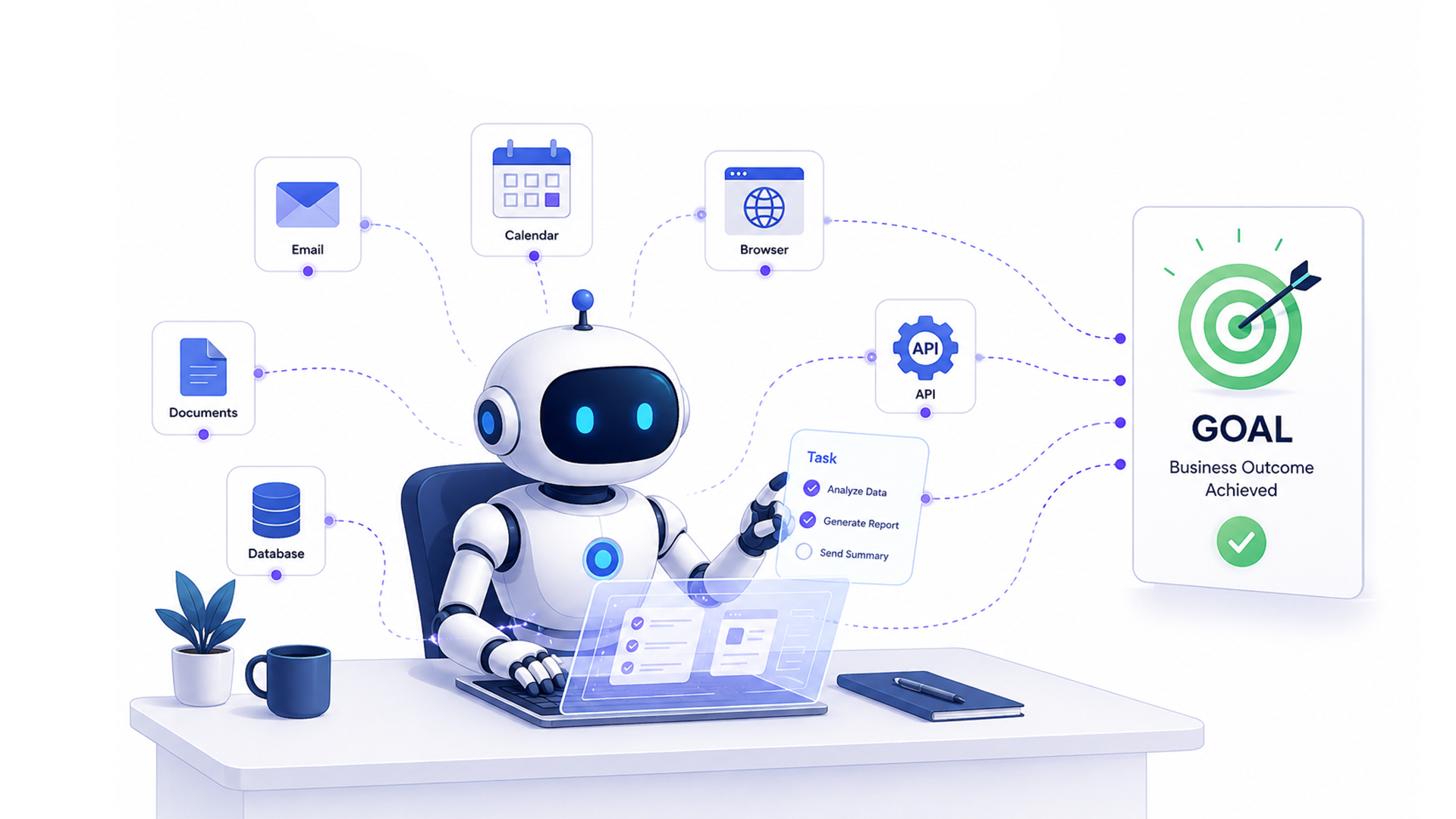
Agentic AI refers to systems that act autonomously, reading data, making decisions, and triggering workflows without manual input. This requires an enterprise AI stack with permissions-aware retrieval, robust orchestration layers, full audit trails, and human-in-the-loop controls at every critical decision point.